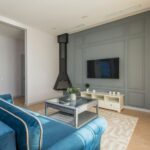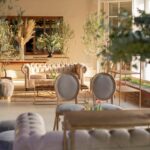
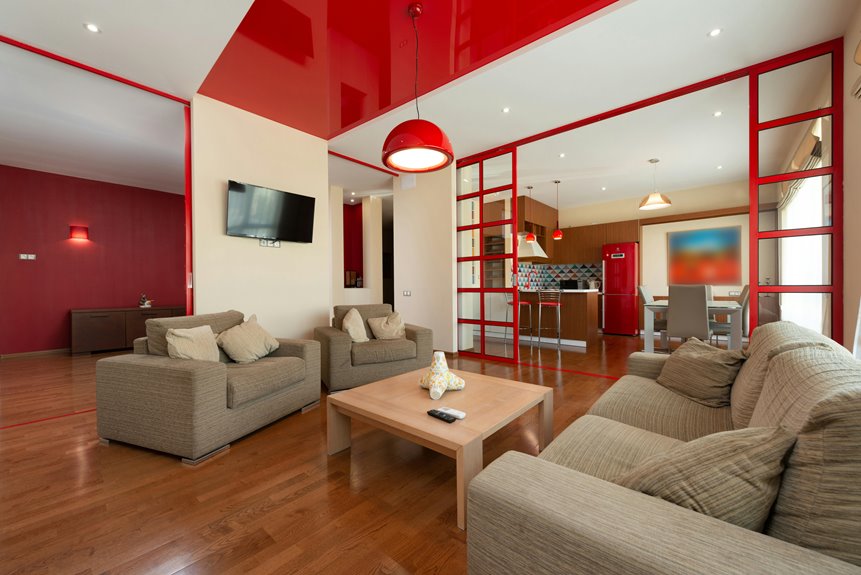
You’ve got a long living room that feels awkward and disconnected. Maybe your furniture hugs the walls, or your seating doesn’t face anything worth watching. The good news? You can create this challenging space into multiple functional zones that actually work together.
Here’s how to diagnose what’s not working and fix it, starting with the one decision that changes everything.
Diagnose Your Long Room’s Biggest Layout Challenges
Why do long rooms feel awkward, even with plenty of square footage? The challenge lies in how you manage traffic flow and create functional spaces within that length.
The real issue with long rooms isn’t square footage—it’s managing traffic flow and creating distinct functional zones.
I’ve found that multiple entry points complicate movement, making your long room layout feel disjointed. Poor window placement and large sliding doors further restrict where you can position furniture effectively.
To diagnose your specific issues, I recommend identifying your focal point first, whether that’s a fireplace or television. This anchors your seating arrangement and guides zone placement.
Next, assess how people naturally move through the space. Do they cut across furniture, or follow clear pathways? Finally, evaluate your current rug placement and seating groupings. These elements either support or sabotage your traffic flow.
Understanding these challenges positions you to create intimate, connected zones throughout your room.
Map Your Traffic Flow Before Moving Anything
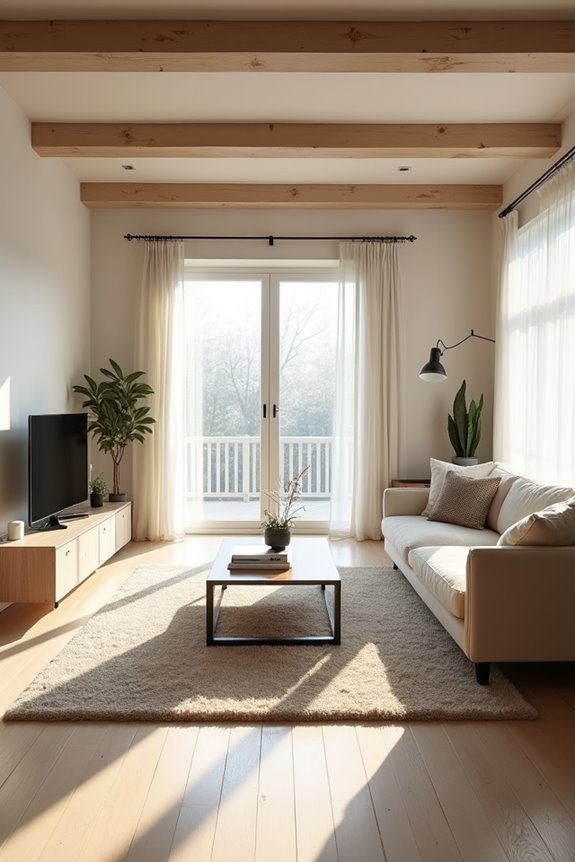
Once you’ve identified your room’s focal points and problem areas, you’re ready to create a clear movement strategy. I recommend mapping every entry and exit point: kitchen, backyard, bar, and front door to understand your traffic flow patterns.
Trace three distinct movement paths: from entry to main seating, toward your focal point like a fireplace or TV, and around central furniture clusters. This visualization reveals natural circulation routes your family already uses.
Next, I suggest positioning your seating arrangement to face primary focal points while maintaining 36 to 42-inch walkways. Wide pathways prevent bottlenecks and create welcoming spaces.
Finally, test configurations using tape diagrams or lightweight furniture. Walk through your routes, noting awkward spots. This hands-on approach supports your layout working with genuine daily movement before you commit to any changes.
Break Your Space Into 2–3 Functional Zones

I’ll break your long living room into distinct zones by defining each area’s purpose first, then anchoring them with rugs and positioning furniture strategically. You’ll create separate conversation pockets, reading nooks, or entertainment areas that each serve a clear function while keeping the space unified.
This approach gives an awkward layout practical purpose and makes it feel welcoming. Every zone will have a clear reason for existing and work together as one cohesive whole.
Define Each Zone’s Purpose
Define Each Zone’s Purpose
Because long living rooms can feel disconnected and sprawling, dividing your space into 2–3 distinct zones creates multiple functional areas that work together seamlessly.
Identify Your Primary Focal Points
Start by recognizing what naturally draws attention in your room. A fireplace, TV, or window becomes your anchor. Each zone should orient around one focal point to create purpose and direction.
Assign Functions to Each Zone
Your first zone houses the viewing area, centered on your TV or fireplace. Position your seating to face this focal point comfortably.
The second zone features conversation seating arranged in a circle or arc, encouraging interaction among guests. Use area rugs to visually separate this cluster.
Your third zone serves as a reading or work zone with a comfortable chair, small table, and proper lighting. This personal retreat balances social and solitary activities perfectly.
Use Rugs to Anchor Zones
How do you visually separate distinct zones in a long living room without creating hard barriers? Rugs are your answer. I layer rugs strategically to anchor each zone and define purpose without walls.
Start with one large foundational rug that grounds your primary seating area. Then add a secondary vintage rug on top to distinguish your middle zone and enhance visual interest. This layering creates natural boundaries while maintaining walkable circulation throughout.
| Zone | Rug Size | Purpose | Spacing |
|---|---|---|---|
| Seating | 8×10 ft | Anchor main conversation | 18–24 inches clearance |
| Secondary | 5×7 ft | Define middle area | Layered on primary |
| Pathway | Bare floor | Encourage flow | 24+ inches wide |
| Accent | 3×5 ft | Highlight console table | Strategic placement |
Align rug edges with furniture groupings to reinforce zone definition. This rug anchoring technique creates well-organized seating arrangements while supporting clear sightlines to focal points.
Your long living room becomes purposeful, balanced, and distinctly yours.
Strategic Furniture Placement Matters
The true secret to a functional long living room lies in strategic furniture placement that creates distinct zones in an awkward, linear space. I’ll show you how purposeful furniture arrangement defines zones naturally without walls.
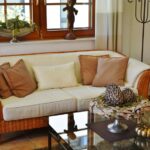
Start by positioning your primary seating groups to face a focal point, whether a fireplace or TV. Float sofas and chairs away from walls, creating intimate conversation areas while improving traffic flow. This approach opens your room and invites connection.
Next, anchor each zone with an area rug aligned beneath seating. This reinforces boundaries between sections. Use modular furniture like slim sofas and swivel chairs to maximize flexibility across multiple zones.
Orient seating so sightlines naturally connect focal points and conversation areas. Clear walkways from entry points allow smooth movement throughout your space, making your long room feel welcoming and intentional.
Float Furniture Away From the Walls
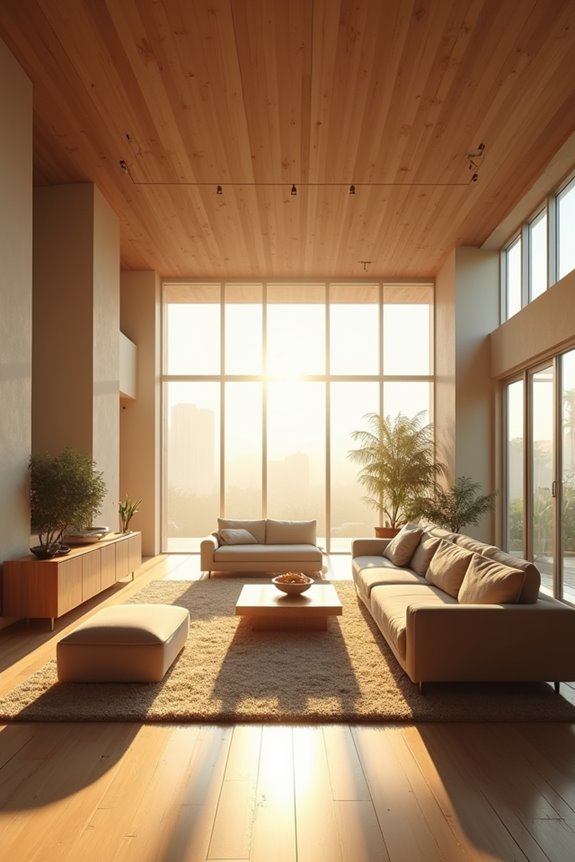
Why settle for pushing your sofa against the wall when pulling it into the room creates a better long living space? Floated seating creates a centered conversation area that encourages connection and improves overall flow. I’d recommend anchoring your arrangement with an appropriately scaled area rug that extends beneath the furniture, visually defining your zone away from wall edges.
Position chairs and smaller seating around the floated sofa to establish multiple viewing angles. Use a long, low-profile coffee table or round table that maintains circulation without blocking pathways.
This approach works particularly well in long rooms, where floating furniture enhances depth and openness. You’ll need to manage cords carefully and incorporate adequate lighting. Consider slim console tables or shelving to provide balance and structural support for your centered layout.
Right-Size Your Coffee Table and Accent Pieces
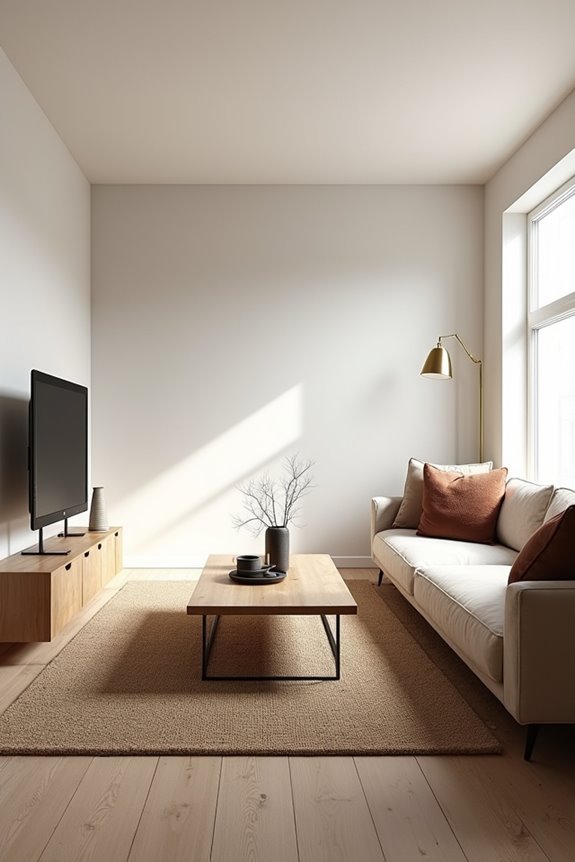
I’ve learned that coffee table sizing makes or breaks a long living room’s functionality. You’ll want to select a compact, proportionate piece that preserves walkways while still anchoring your seating arrangement.
Consider multi-functional tables with storage or nesting options. They give you flexibility without consuming precious floor space in narrow layouts.
Scale Matters in Narrow Spaces
How you scale your furniture can make or break a long, narrow living room’s flow and function. I’ve found that choosing the right size pieces improves your entire layout.
Key Scaling Principles:
- Coffee Table Dimensions – Select tables under 36 inches wide to preserve circulation. Round or oval shapes work best, reducing sharp corners in tight spaces.
- Accent Furniture Proportions – Keep side tables and consoles slim-profile, matching your room’s length rather than width. This prevents visual crowding along walls.
- Clearance Standards – Maintain 18–24 inches of pathways around all furniture pieces. This measurement supports comfortable movement throughout your space.
- Layered Approach – Consider multiple smaller pieces instead of one large anchor. A slim console behind seating maintains openness while adding function.
Proper scale creates breathing room in narrow spaces.
Maintaining Clear Traffic Pathways
What separates a functional long living room from a cramped one? Strategic furniture placement that preserves open walkways.
I recommend keeping your coffee table smaller in narrow spaces. This preserves clear traffic pathways and prevents obstruction around your seating arrangement. Round or oval tables work best; they maintain easy circulation from all sides.
Position your coffee table 1.5 to 2.5 times the seating’s viewing distance from your focal point. This balanced placement supports room flow without sacrificing sightlines.
| Furniture Type | Placement Strategy | Room Flow Benefit |
|---|---|---|
| Coffee table | Center of seating cluster | Maintains access pathways |
| Ottomans | Perimeter edges | Keeps walkways open |
| Benches | Along walls | Enhances movement |
Place accent pieces on the perimeter rather than between chairs. This approach reinforces your long living room’s natural circulation while keeping open walkways functional and visually clear for everyday use.
Multi-Functional Table Selection Tips
The right table size is important in a long living room’s functionality and flow. I recommend choosing a compact coffee table that won’t obstruct movement through your space. Round or oval tables work beautifully in narrow layouts, maintaining smooth circulation around your seating arrangement.
Consider pairing your coffee table with two or more smaller accent pieces like side tables or benches. This multi-functional approach supports flexible seating while keeping pathways clear. Scale these pieces to match your room’s length, preventing visual clutter in your small space.
A low-profile console behind your sofa offers additional surface area for lamps and décor. This positioning keeps sightlines open without compromising function. By thoughtfully selecting right-sized tables, you’ll create a long living room that feels spacious and welcoming.
Choose TV or Fireplace as Your Primary Focal Point
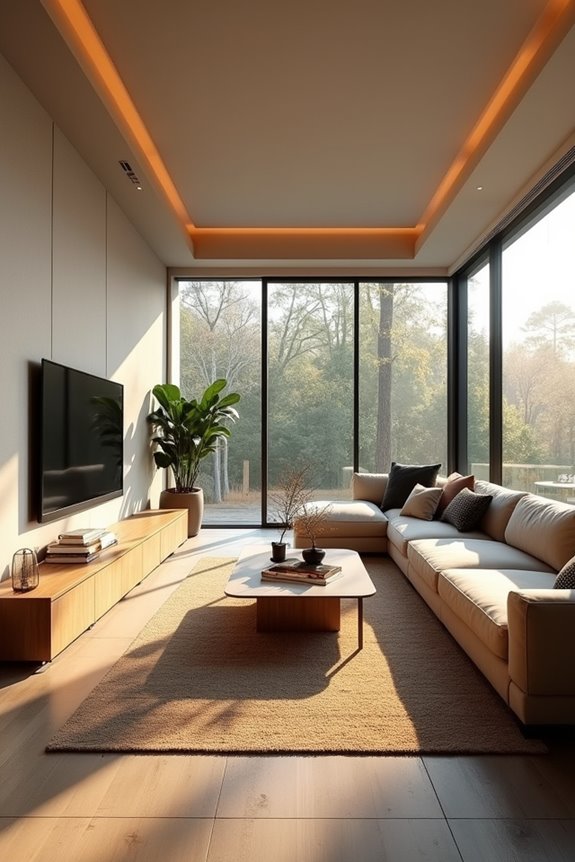
When you’re designing a long living room, your first decision shapes everything else: Will your fireplace or TV serve as the primary focal point?
If You Choose the Fireplace:
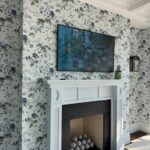
Position your main seating to circle around it naturally. Mount your TV high on a separate wall to avoid glare and preserve sightlines. This arrangement maintains clear traffic flow while creating an intimate gathering space centered on warmth and conversation.
If You Choose the TV:
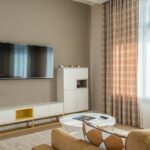
Dedicate one wall for mounting or console placement. Arrange your seating to face this focal point directly, ensuring optimal viewing angles. This frees surrounding walls for artwork and décor, enhancing your room’s visual appeal.
Maximizing Your Layout:
Align your rug with your chosen focal point. Consider flexible seating like swivel chairs for dynamic viewing.
Keep pathways open from entryways to maintain natural room flow and cohesion.
Position Your TV for Comfortable Viewing Distance
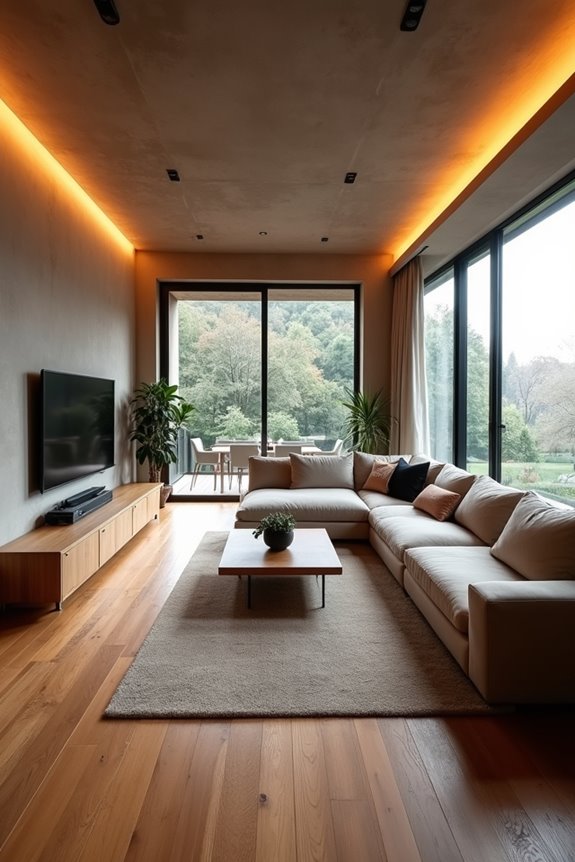
I’ll measure my viewing distance first to find the ideal TV size for my long living room. You’ll want to sit about 1.5 to 2.5 times your screen’s diagonal measurement away from the TV for comfortable viewing.
Getting this measurement right helps me avoid a screen that’s too large and disrupts the room’s flow, or too small to enjoy properly from my seating area.
Measure Your Viewing Distance
How far you sit from your TV fundamentally shapes which screen size works best in your long room. I recommend measuring the distance between your primary seating arrangement and your intended wall placement. This viewing distance determines everything: your TV size, viewing angle, and overall comfort.
Start by measuring from your sofa to the wall in feet. If you’re 10 feet away, target a 40- to 60-inch TV. At 12 feet, a 50-inch screen balances clarity with room scale effectively.
This measurement guides your entire layout strategy. A proper viewing distance prevents neck strain and eye fatigue during extended viewing. It also influences furniture placement and wall design choices.
Once you’ve established this essential dimension, you’ll confidently select equipment that improves your long room’s functionality and aesthetic appeal.
Optimize Screen Size Selection
Where should your TV actually go in a long living room?
Screen size selection requires balancing your viewing distance with available wall space. I recommend a practical 50-inch TV for most long living rooms, as it accommodates comfortable sightlines without overwhelming the space.
Your viewing distance should measure 1.5 to 2.5 times the screen diagonal. For a 50-inch TV, position your primary seating 6 to 10 feet away for optimal comfort.
TV placement matters significantly when seating zones span your room. Position the screen to face your main sofa, ensuring clear sight lines from your central seating area.
Consider your room’s proportions carefully. Smaller wall space above fireplaces works best for artwork, allowing your TV to occupy a dedicated wall nearby. This arrangement preserves both functionality and aesthetic balance.
Layer Rugs to Define and Ground Each Zone
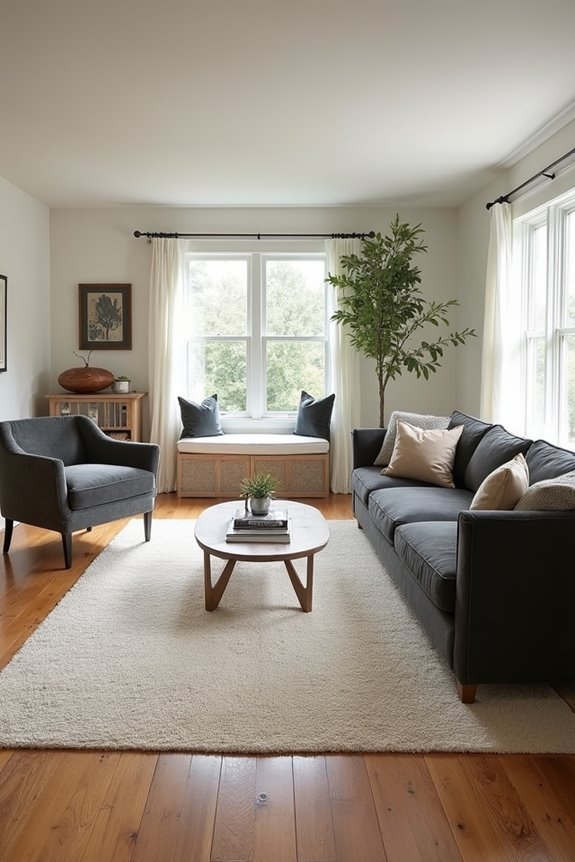
Layering rugs creates invisible perimeters that organize your long living room into distinct, purposeful zones. I recommend starting with a 9×12 foundational rug to unify your primary seating area and improve overall proportion.
Next, add a vintage secondary rug on top to further define separate clusters. This rug layering technique grounds zones while maintaining visual harmony through complementary tones or subtle patterns.
Keep front legs of sofas and chairs resting on the primary rug for consistent scale and intentional anchoring. Position rugs thoughtfully to preserve walkway integrity by keeping pathways clear between entry points, seating clusters, and focal features like fireplaces or televisions.
This strategic approach organizes your elongated space into connected, functional areas where each zone feels purposeful and complete.
Add a Secondary Seating Arrangement With Swivel Chairs
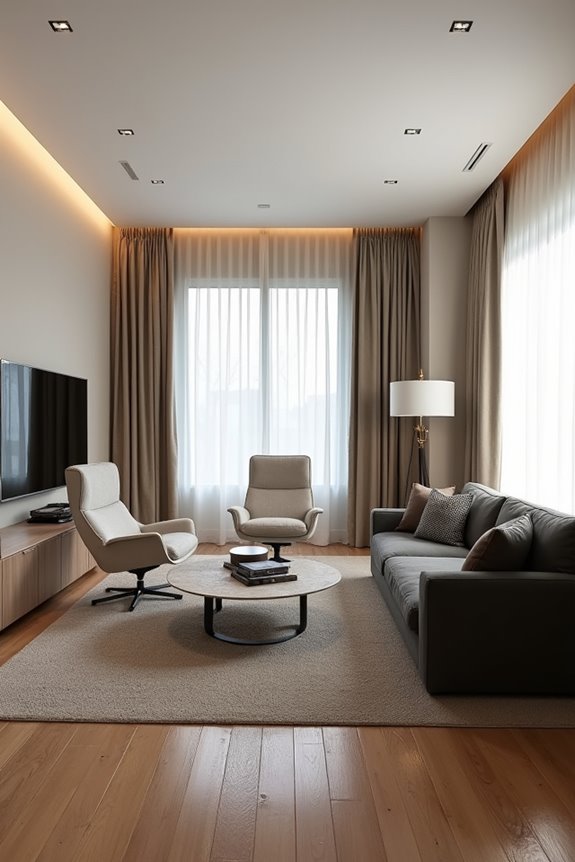
Why settle for a single seating arrangement when your long living room can accommodate purposeful secondary zones?
Long living rooms deserve purposeful secondary zones that maximize layout potential and encourage meaningful connection.
I recommend positioning two swivel chairs across from your main sofa, anchored by a central rug. This secondary seating arrangement creates an intimate conversation area that encourages social interaction. Swivel chairs offer multi-directional viewing angles, allowing guests to engage comfortably while watching television or chatting.
Place a compact round ottoman between the chairs to maintain easy circulation around your seating cluster. Choose slim-profile, low-backed swivel chairs to preserve sightlines and prevent the space from feeling crowded. Pair them with a small ottoman to establish a distinct heat zone without overwhelming your primary sofa.
This strategic approach creates connected, functional spaces that invite connection and maximize your layout’s potential.
Use Varied Lighting to Reinforce Zones and Ambiance
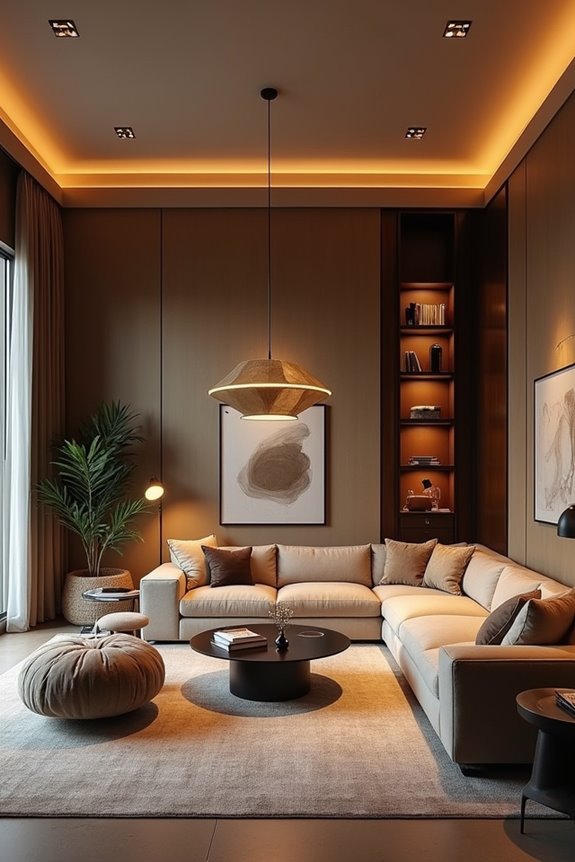
Strategic lighting creates distinct functional areas in your long living room without physical barriers.
Layered lighting is key to achieving this balance. I recommend combining three lighting types:
- Ambient lighting provides general illumination throughout your space
- Task lighting (reading lamps near seating) supports focused activities
- Accent lighting highlights artwork and architectural features
- Wall sconces create vertical interest and reinforce rug boundaries
- Dimmers let you adjust ambience for different activities
Position lamps strategically to emphasize focal walls like fireplaces or art displays. This approach visually anchors each zone while guiding your eye along the room’s length.
Avoid single overhead lights, as they flatten your space. Instead, use multiple sources that work together. Natural daylight during the day, combined with layered artificial lighting at night, deepens perceived depth and creates inviting zones where everyone feels they belong.