
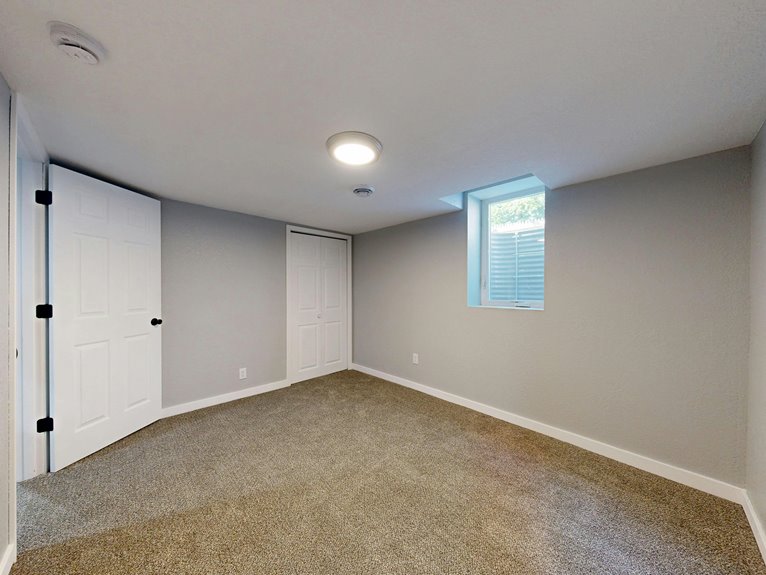
Your finished basement probably won’t count toward your official home square footage, even though it adds real value. Lenders and appraisers only count above-grade spaces—rooms at ground level or higher with natural light. Below-grade basements typically get excluded, unless you’ve got a walk-out entrance or proper egress windows. So your basement boosts appeal and usable space, but won’t increase your mortgage amount. The specifics depend on local rules and whether your space meets code requirements—details worth exploring further.
Above-Grade vs. Below-Grade: The Basement Square Footage Distinction
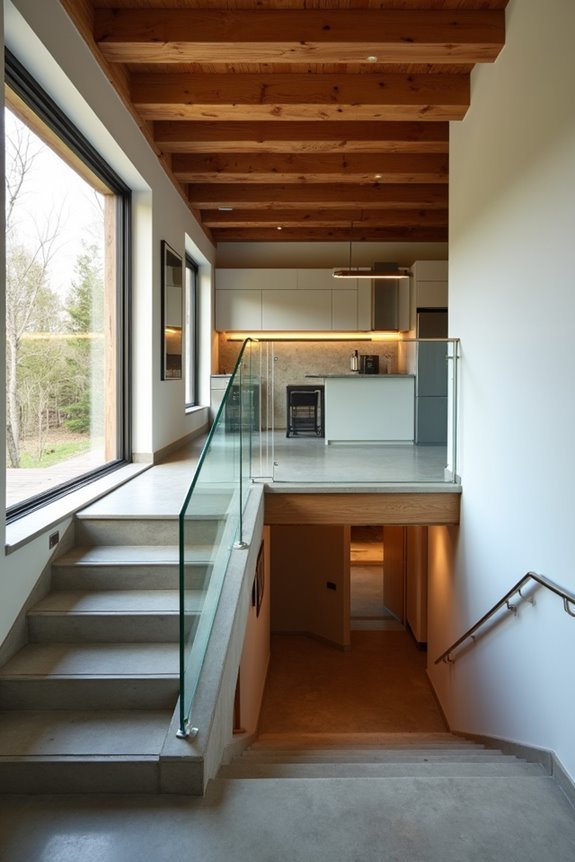
Below-grade spaces like basements may not count toward official square footage due to limited exposure and egress access, unlike above-grade rooms.
Ever wonder why your finished basement doesn’t always count toward your home’s official square footage?
The answer comes down to a fundamental distinction: above-grade versus below-grade spaces. When appraisers evaluate your home, they’re really asking one key question—how exposed is this space to the outside? Above-grade rooms sit at ground level or higher, with direct outdoor access and natural light. These spaces typically count fully toward your home’s official square footage.
Below-grade spaces, like most basements, sit partially or completely underground. Even if you’ve finished your basement with care, appraisal guidelines often exclude or separately classify below-grade square footage. The reason? Limited exposure and egress access.
Walk-out basements fare better. They feature proper exterior exits and windows, making them count more readily in some regions. However, your local appraisal standards ultimately determine whether your finished basement square footage gets included in your home’s official calculations.
Egress and Ingress: Why Access Determines Countability
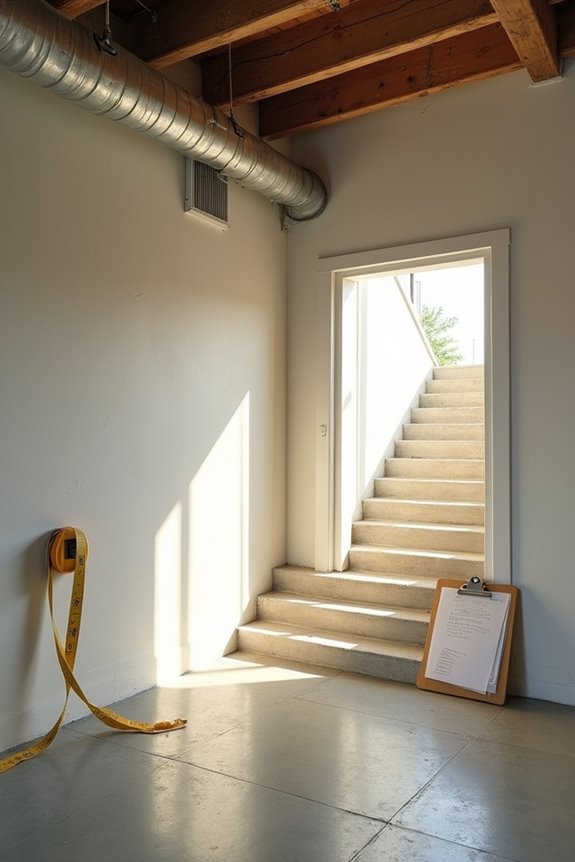
When you’re figuring out if your basement counts toward your home’s total square footage, the exits matter way more than you’d think—and that’s because building codes care deeply about how you’d escape in an emergency. If your basement has a walk-out door leading straight to the yard, you can count that space as livable area, but a basement without proper egress (like a window you can actually open or direct outside access) typically won’t qualify, even if it’s perfectly finished. The bottom line: you can’t make a bedroom out of a basement room without a legal escape route, which is why your local real estate rules and building inspectors focus so much on whether you have those exits in place.
Fire Safety And Egress
Why does a basement door matter so much when you’re trying to count your home’s square footage? Fire safety and egress requirements directly determine what counts as finished basement space. You need a compliant exit—either a door to your yard or a properly sized window—for rooms below grade to qualify as above-grade living space. Without proper egress, your finished basement remains uncountable, regardless of how well-appointed it is. Jurisdictions use this safety criterion because it allows you to evacuate quickly during emergencies. Think of egress as your home’s insurance policy: it protects you and protects your square footage calculations. Meeting exit requirements makes your basement a legitimate, countable living area rather than a risky space.
Legal Bedroom Requirements
you need both a way in and a way out.
Your basement bedroom only counts legally when you’ve got proper egress and ingress. That means a safe exit separate from main living areas—think external doors or compliant egress windows. Without it, appraisers won’t count those finished rooms toward your home’s value.
| Feature | Requirement | Impact |
|---|---|---|
| Egress | External exit | Room counts |
| Ingress | Separate entry | Room counts |
| Walk-out access | Above-grade exposure | Square footage included |
| No egress | Interior only | Space excluded |
| Window well | Emergency exit | Bedroom allowed |
Check your basement’s above-grade exposure and walk-out potential. These features determine whether your basement bedroom counts toward your home’s reported square footage and resale value.
Walk-Out Basement Classification
How’s your basement connected to the outside world? That question matters more than you’d think when calculating your home’s finished living space.
A walk-out basement can count toward your finished living space—but only if it meets specific requirements. You’ll need a proper egress: an exterior door at yard grade or a legal bedroom window with clear fire exit access. This independent access determines whether a basement qualifies for official square footage calculations.
Here’s what counts: only the above-grade portion typically gets included in calculations. Below-grade sections stay excluded unless they satisfy egress and finish standards. Without that direct outdoor access, your walk-out basement remains incomplete for official purposes. The door determines whether the space qualifies.
Walk-Out Basements and Square Footage Rules
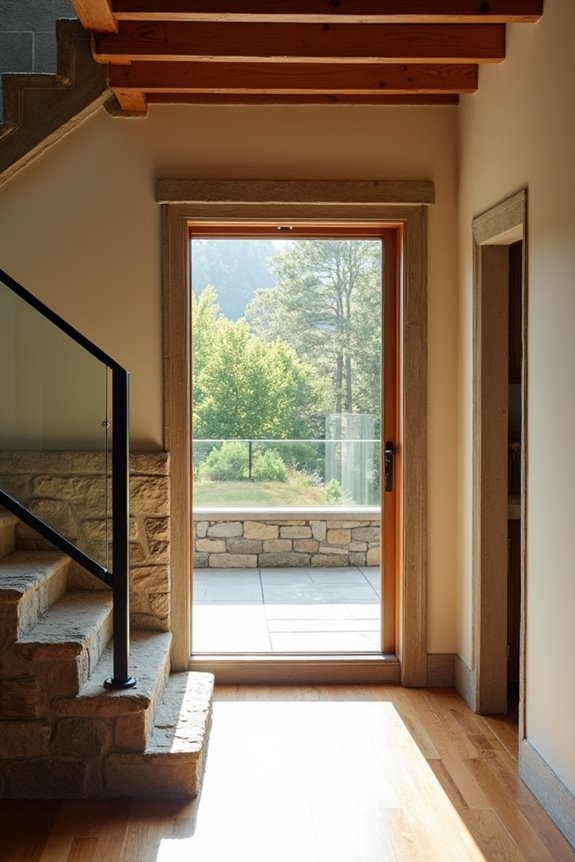
Walk-out basements give you a real advantage because you can actually count part of that square footage in your home’s official calculations. Here’s the thing: you’ll need to measure only the portion of your basement that sits above the exterior ground level, and you must have proper egress (that’s just a fancy word for a safe exit door to the outside). If your basement meets these requirements and follows your state’s fire-safety rules, you’re looking at extra square footage that increases your home’s value and listing numbers.
Egress Requirements And Legality
Because basements sit below ground level, they’ve got to meet specific safety rules before they can count toward your home’s official square footage. You need proper egress—meaning safe exits—for any below-grade space to legally qualify as living area. This is where legality comes in. Without egress windows or doors, your finished basement won’t count, even if it looks perfect.
| Requirement | Impact | Your Action |
|---|---|---|
| Egress window/door | Makes space countable | Install if missing |
| Above-grade portion | Determines square footage | Measure carefully |
| Fire safety compliance | Enables legal status | Check local codes |
Your jurisdiction determines whether only above-grade sections count toward your home’s total. Meeting these egress requirements makes your finished basement legitimate living area that increases your home’s value and official measurements.
Above-Grade Measurement Calculations
When you have a basement with a door leading straight outside to ground level, you’re looking at what’s called a walk-out basement. That egress door is important for your home’s square footage calculations. It means you can count the above-grade portion toward your finished space measurements.
Here’s the key: only measure the part of your basement that sits above ground level. Everything below that line doesn’t count in your square footage calculations. Your finished basement space only qualifies if it’s heated, livable, and has proper egress.
Different areas have different rules, so check your local standards. Generally, that above-grade finished space adds value to your home’s total square footage.
What Actually Counts as Finished Basement Square Footage?
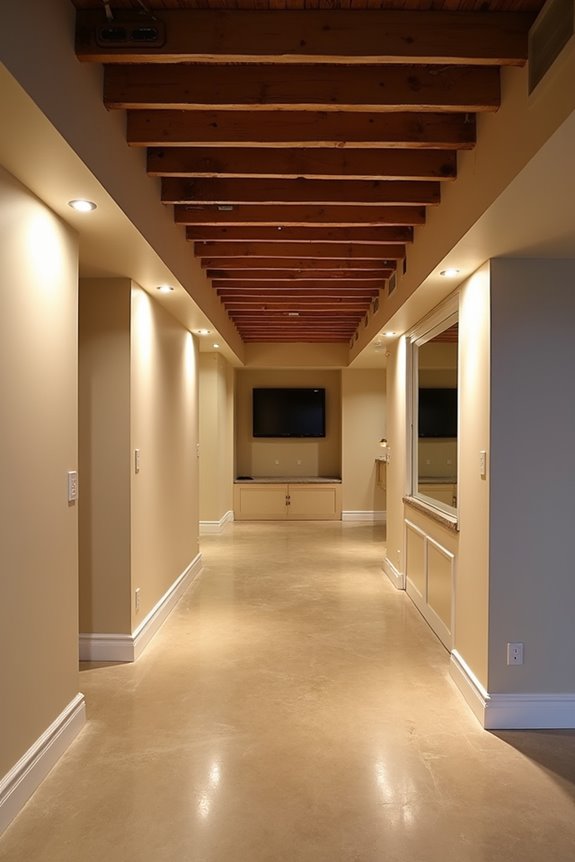
So you’ve finished your basement and want to know if it’ll boost your home’s official square footage—here’s the thing: it depends. Your finished basement square footage counts toward your home’s value, but whether it’s included in above-grade living area depends on local residential appraisal guidelines and specific finishing standards.
Finished basements boost home value but may not count toward official square footage—it depends on local appraisal guidelines.
Here’s what matters:
- Egress access — windows or doors that allow safe emergency exits
- Ceiling height — typically 7 feet minimum for official counting
- Full finishes — walls, flooring, insulation, and heating/cooling throughout
- Below-grade classification — basement location determines if it counts officially
- Local codes — your area’s rules decide inclusion in total square footage
Most appraisers separate finished basement square footage from above-grade living area. You’ll likely see it listed separately on your home’s details, contributing to overall value without boosting official living space numbers.
Basement Bedrooms: Legal Requirements and Square Footage Rules
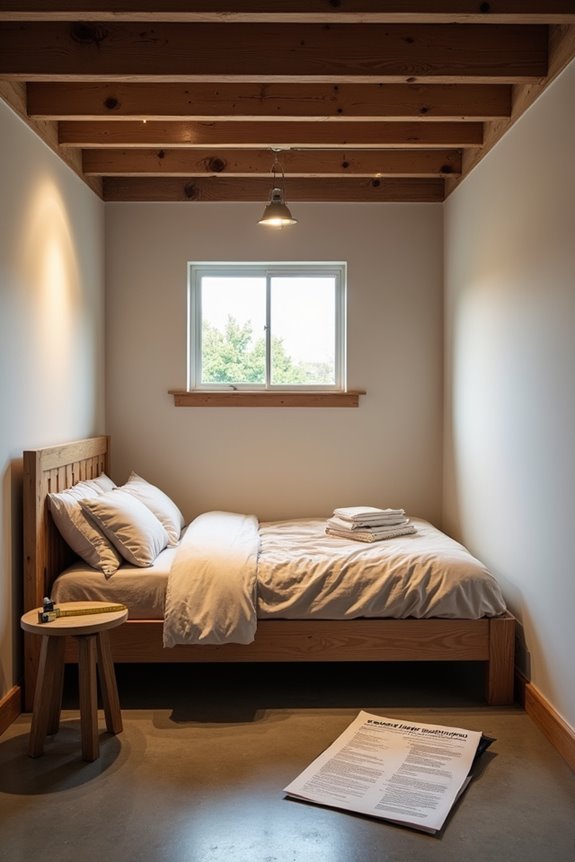
Now that you understand how finished basements factor into your home’s value, let’s talk about something more specific: basement bedrooms.
Here’s the thing: just finishing a basement bedroom doesn’t automatically count toward your home’s square footage. You’ll need proper basement bedroom egress—typically an egress window that meets local codes—so people can safely escape during emergencies. Without it, appraisers won’t include it.
Your appraiser guidelines matter too. Most lenders follow strict standards that treat below-grade spaces differently than above-grade rooms. You’ll want above-grade exposure, meaning windows and natural light, to boost your chances of finished basement square footage inclusion.
Different states have different rules, so check your local requirements. Getting professional appraisal guidance helps your basement bedroom actually count toward your home’s official value.
County Assessor Rules: How Your Basement Square Footage Is Calculated
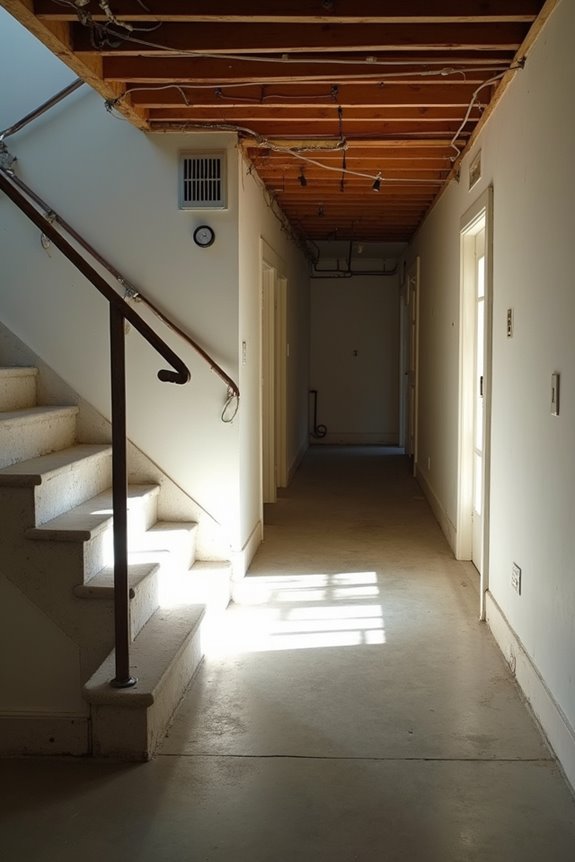
Your county assessor has the final say on whether your basement counts toward your home’s official square footage—and that’s where things get tricky because the rules aren’t the same everywhere.
Your assessor determines what counts as livable square footage based on local guidelines. Here’s what typically influences their decision:
- Below-grade location – Basements naturally sit underground, which often excludes them automatically
- Finished vs unfinished status – Complete renovations with drywall and flooring may qualify, while raw basements won’t
- Egress requirements – Proper windows or doors for emergency exit can increase inclusion eligibility
- Heating systems – Climate-controlled basements score better than unheated spaces
- Assessor data fields – Your county uses specific categories to calculate official totals
Contact your local assessor’s office directly. They’ll clarify exactly how your basement square footage appears in property records and MLS listings based on your jurisdiction’s specific rules.
What Appraisers Do (and Don’t) Count in Your Basement
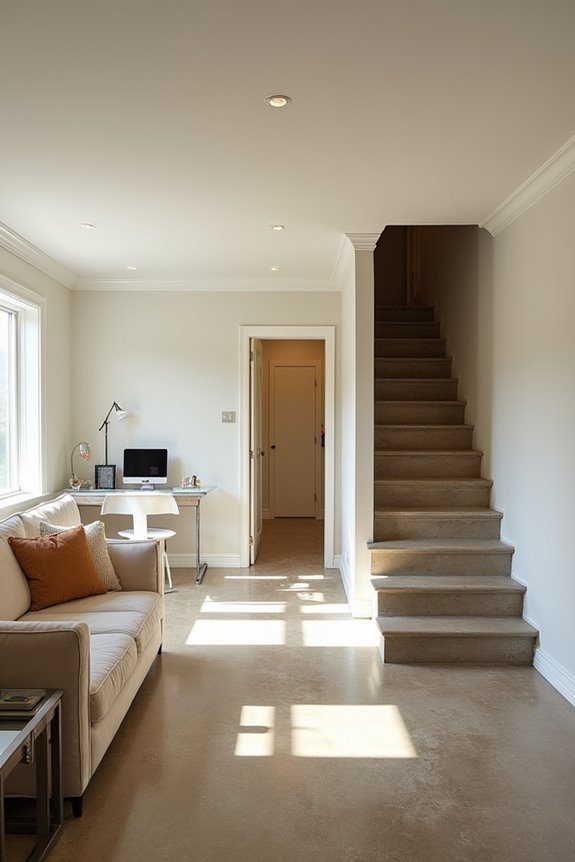
When an appraiser shows up with a measuring tape, they’re not counting your entire basement the same way—they’ll separate what’s above ground from what’s below ground, and they’re strict about which spaces actually count. You’ll want your basement to have proper egress (that’s a fancy word for a safe way out), finished walls, heat, and good documentation if you’re hoping it’ll boost your home’s official square footage. Appraisers follow specific standards that vary by region, so what counts in your state might not count in your neighbor’s, which is why knowing your local rules matters before you list.
Above-Grade vs. Below-Grade
Why does your finished basement sometimes count toward your home’s official square footage and sometimes it doesn’t? The answer hinges on one key factor: whether your space sits above or below ground level.
Above-grade spaces sit at or above ground level and typically count toward your home’s official square footage. Below-grade spaces sit underground and usually don’t. Here’s what determines if your basement counts:
- Natural light and windows exposure to the outdoors
- Proper egress (safe exits to outside)
- Adequate heating and ventilation systems
- Whether the basement is finished or unfinished
- Local appraisal guidelines in your area
Walk-out basements with exterior doors can shift below-grade spaces into above-grade territory, potentially boosting your square footage count. Always check your regional rules—practices vary significantly.
Egress Requirements and Safety
Safe exits matter more than you’d think when appraisers evaluate your basement. You can’t simply finish your walls, add flooring, and call it a living space. Appraisers require proper egress—that’s a legal exit route—before counting your basement as usable square footage.
If you’re planning a basement bedroom, you’ll need an egress window or exterior door. These exits allow people to leave safely during emergencies. A walk-out basement with a door to your yard level helps tremendously here.
Think of egress as the gatekeeper. Without it, appraisers exclude your basement from living space calculations, regardless of how attractive those finished walls look. Meeting egress requirements allows your basement to qualify as counted square footage that actually affects your home’s value.
Appraisal Documentation Standards
So you’ve finished your basement—new drywall, fresh paint, gleaming flooring—and you’re wondering if it’ll boost your home’s official square footage.
Here’s what appraisers actually document:
- Ceiling height (minimum 7 feet for finished basement square footage)
- Proper egress windows or doors meeting local building codes
- Insulation and heating systems throughout the space
- Wall finishes and flooring quality and installation standards
- Above-grade vs. below-grade classification per Fannie Mae guidelines
Appraisers verify these details before counting basement square footage toward your above-grade living area. They won’t include below-grade space in official appraisal standards, even if you’ve finished it well. Your finished basement counts as bonus space instead, which still adds value—just differently. Understanding these appraisal standards helps you make smarter home improvement choices that actually strengthen your property’s worth.
Appraisals vs. Listings: Why Basement Square Footage Counts Differently
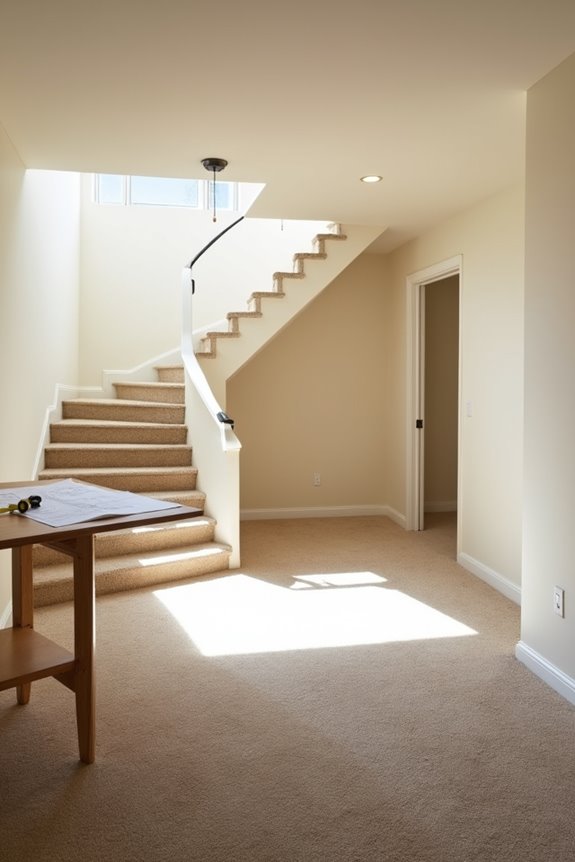
Ever wonder why your finished basement shows up in your listing’s total square footage but doesn’t seem to matter when the bank’s appraiser comes through?
That’s because appraisals and MLS listings play by different rules. Your real estate agent includes finished basement square footage in your listing to attract buyers. However, appraisers follow strict guidelines—only above-grade vs below-grade spaces count toward loan value. Any portion below ground level gets classified as below-grade, regardless of how nicely you’ve finished it.
Even a walk-out basement might not change this outcome. Lenders rely on conservative appraisal numbers for financing decisions. So while your finished basement adds genuine living space and appeal, it won’t boost your loan value the way above-ground square footage does. Understanding this difference helps you set realistic expectations when selling or refinancing.
Does Basement Square Footage Actually Count Toward Your Mortgage?
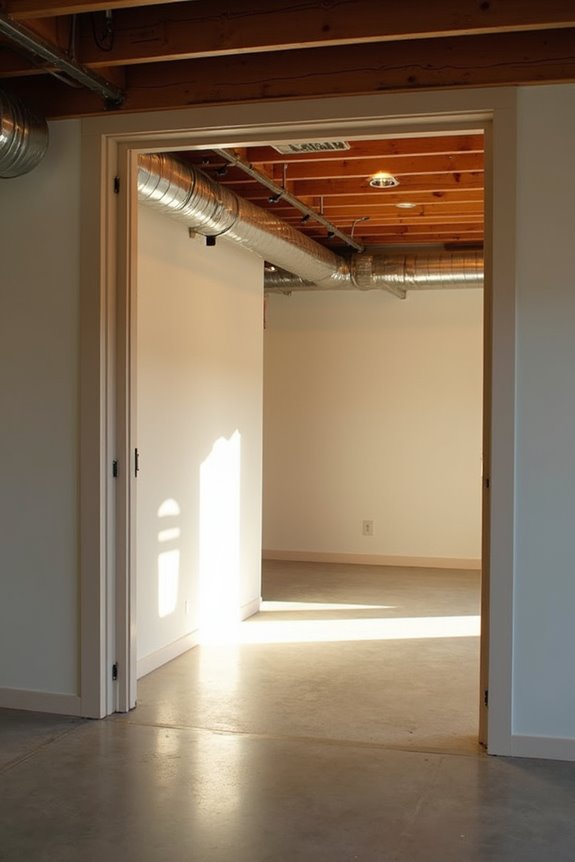
When you’re trying to figure out your home’s value for a mortgage, here’s the reality: your lender’s appraiser won’t count that finished basement the same way your real estate listing does. Your basement square footage typically doesn’t factor into mortgage calculations because it’s below-grade. Even if you’ve invested in finishing it, most lenders follow Fannie Mae guidelines that only count above-grade living area.
Your lender’s appraiser won’t count that finished basement the same way your real estate listing does—it’s below-grade.
What actually matters for your appraisal:
- Ceiling height and proper heating systems
- Egress requirements (safe exits in case of emergency)
- Above-grade finished spaces only
- Walk-out basements in certain states (may count differently)
- Verified features like lighting and finishes
Your finished basement adds value to your home, but don’t expect it to boost your mortgage calculations. It’s a bonus feature, not a primary number.
Does a Finished Basement Actually Increase Your Home’s Value?
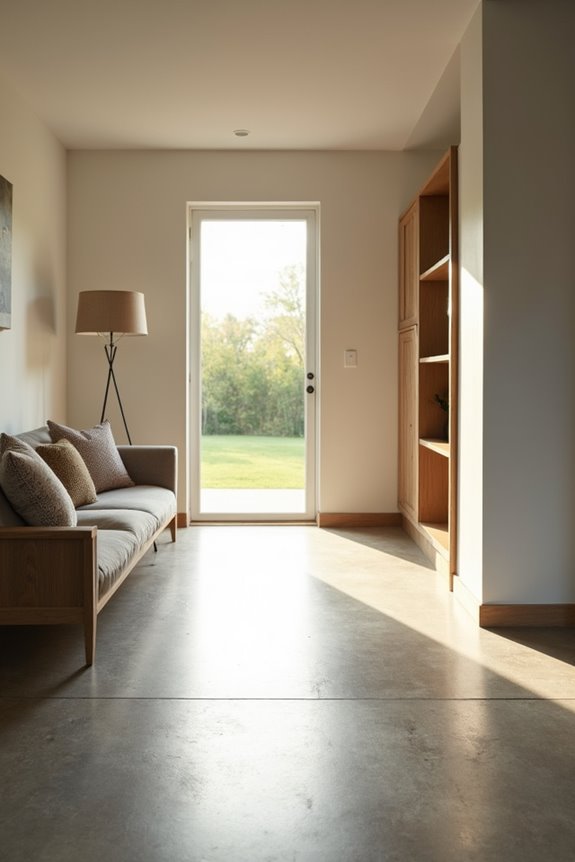
Does finishing that basement actually put money back in your pocket when you sell? The answer’s yes, but with conditions. You’ll typically see a 10-20% value boost in many markets, though appraisals treat finished basements differently than above-grade living space. Your finished basement adds real appeal to buyers searching for extra bedrooms or media rooms—but the square footage may not count officially toward your home’s appraised size.
| Feature | Impact | Worth It? |
|---|---|---|
| Egress windows | High | Yes |
| Code compliance | High | Yes |
| Heating system | Medium | Yes |
| Storage only | Low | Maybe |
Quality matters enormously. Finished basements with proper egress windows and heating systems attract serious buyers, while unfinished storage spaces don’t move the needle.
Finished Basements That Don’t Increase Your Loan Amount
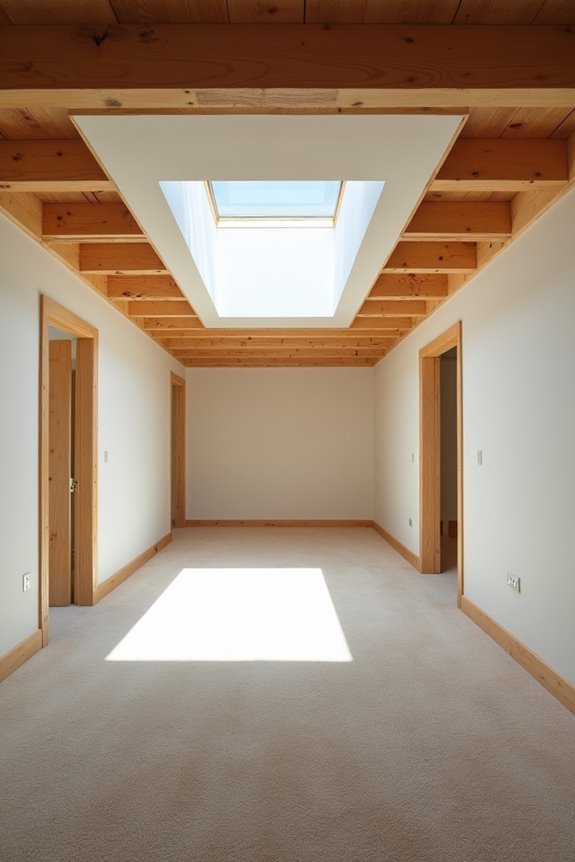
So you’ve finished your basement with beautiful flooring, fresh drywall, and new lighting—why won’t your lender count it toward your mortgage amount?
Here’s the thing: lenders follow Fannie Mae guidelines that only recognize above-grade square footage for loan calculations. Your finished basement sits below grade, so it doesn’t officially boost your loan amount, even though it adds real value to your home.
Why your basement doesn’t increase your loan:
- Only above-grade finished space counts toward mortgage eligibility
- Appraisers separate basement space from official square footage used for financing
- Below-grade areas contribute less to loan value under GSE guidelines
- Your lender treats finished basements as bonus space, not primary living area
- Market appeal increases, but loan amount stays based on above-grade rooms
The reality? Your finished basement still improves your home’s appeal and usable space—you’re just not seeing that reflected in the actual loan amount offered.
Verifying Your Square Footage Against Local Records
Your finished basement might add real value to your home, but the numbers on your property record might tell a different story—and that gap matters when you’re buying, selling, or refinancing.
Your finished basement adds real value, but property records might disagree—and that gap matters significantly when buying, selling, or refinancing.
Start by checking your county assessor’s records online. You’ll typically find separate fields for above-grade living area and basement square footage. Compare these numbers against your listing details and appraisal standards, which usually exclude below-grade spaces from official calculations.
Next, verify legality. Contact your local building department to confirm your basement meets egress requirements—windows or doors leading directly outside. Without proper egress, your basement square footage won’t count toward official above-grade living area, regardless of how finished it looks.
Finally, request your appraiser’s report during refinancing or purchase. They’ll clarify exactly which spaces they counted, so your home’s true value reflects local records accurately.