

You’re investing in materials that actually last. Premium office chairs use aircraft-grade aluminum frames, high-density foam that won’t flatten, and quality leather that resists wear for 5–15 years.
That durability means you’re paying roughly $120/year instead of $150/year for a cheap chair that dies in two years.
Plus, precision engineering—like synchro-tilt mechanisms that support your spine—prevents back pain and keeps you productive.
The upfront cost stings, but the breakdown reveals where your money actually goes.
What You’re Actually Paying For: The Cost Breakdown
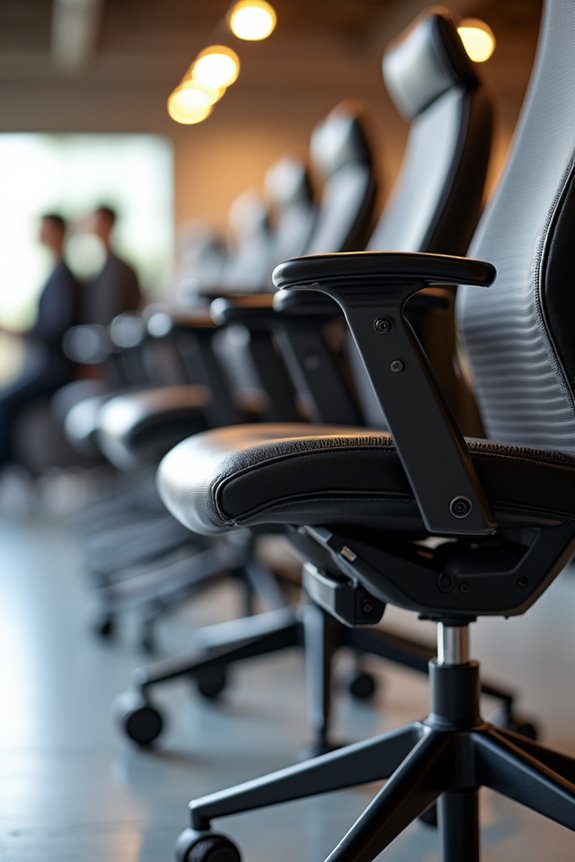
Bottom line: you’re funding durability, comfort technology, and peace of mind.
Why Premium Materials Make Office Chairs Expensive

Now that you understand what you’re actually paying for, let’s look at the specific materials that drive those costs up.
Premium office chairs use high-quality materials. Top-grain leather feels good and resists wear better than cheaper alternatives. High-density foam keeps you comfortable for hours without flattening out. Aircraft-grade aluminum frames provide strength while staying lightweight. These aren’t marketing buzzwords—they’re real differences you’ll notice daily.
Here’s the thing: quality materials cost more to source and manufacture. Specialized production techniques, precision assembly, and rigorous quality checks add up. Plus, many premium chairs now include recyclable components, supporting sustainability goals you probably care about.
You’re not just buying comfort. You’re investing in durability, health benefits, and materials that’ll last 5–15 years. That’s real value.
Engineering Complexity and Labor Costs Explained
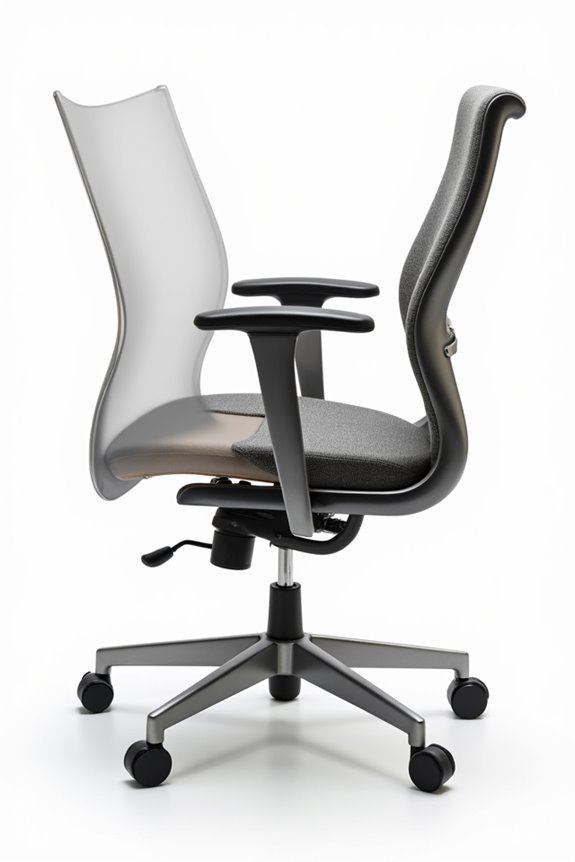
Ever wonder why adjusting an office chair feels so smooth and effortless? That’s engineering at work. Behind that seamless experience sits complex technology—like synchro-tilt mechanisms—requiring specialized expertise to design and build correctly.
You’re paying for precision engineering when you invest in a quality chair. Manufacturers spend significant time developing features like aircraft-grade aluminum frames and high-density foam that actually support your body through long workdays. These aren’t shortcuts; they’re thoughtful solutions.
Quality office chairs represent precision engineering: aircraft-grade materials and thoughtful design solving real body support needs.
Customization options add another layer of complexity. Want adjustable lumbar support or multi-directional armrests? Engineers must design components that work together flawlessly. This specialized labor, combined with rigorous testing and quality control, increases production costs substantially.
You’re not just buying a chair—you’re buying skilled craftsmanship and reliability.
R&D and Innovation: Hidden Costs You Pay For
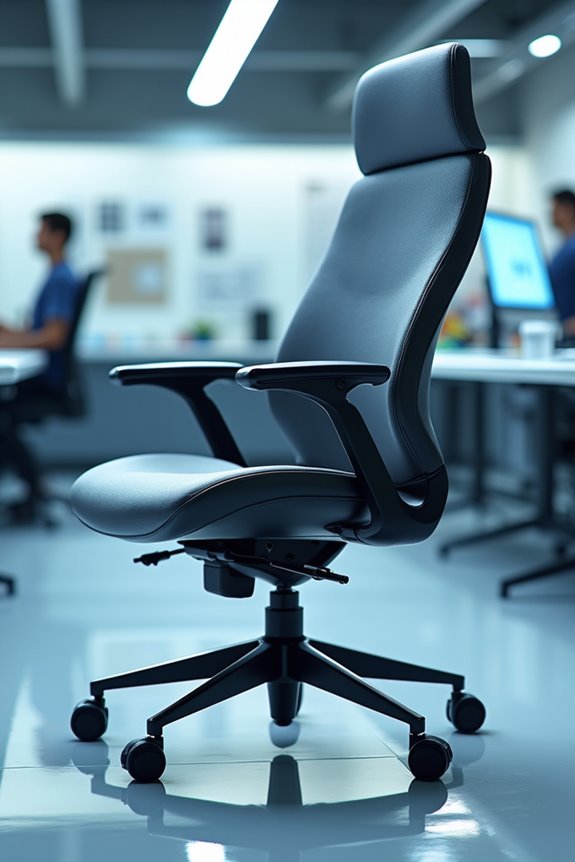
What goes into making a chair that actually supports your back instead of destroying it? A lot more than you’d think. When you buy a quality office chair, you’re paying for years of R&D costs that companies invested in biomechanics research, material science breakthroughs, and sensor technology. These brands collaborate with physiotherapists and engineers to develop features like synchronized tilt and dynamic lumbar tracking. They don’t cut corners either—regulatory certifications across different markets add significant expenses to guarantee your safety and durability. Ongoing innovation means continuous investment in new materials and smart adjustment systems. Yes, you’re paying for all this hidden work upfront. But here’s the thing: you’re also investing in better health outcomes, improved productivity, and a chair that’ll actually last. That’s worth the cost.
Why Adjustability and Customization Add $200–$500
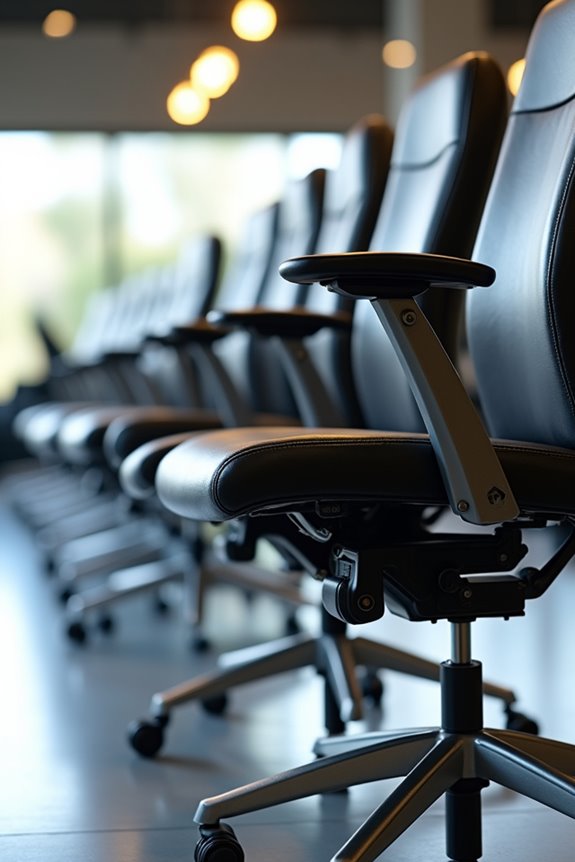
When you customize an office chair to fit your body and workspace, you’re paying for the engineering that makes those adjustments work—things like lumbar support that moves with you, armrests that swivel multiple directions, and seat depth controls that let you dial in your perfect fit. Each of these features requires precise manufacturing, quality materials, and testing to guarantee they’ll last through years of daily use, which is why tailored customization can easily add $200–$500 to your bill. You’re getting a chair built closer to your exact needs rather than a one-size-fits-all option, and that personalization costs real money in design time and production complexity.
Personalized Ergonomic Fit
Why does customizing your chair cost so much more? When you personalize your ergonomic design, you’re investing in a chair that fits your body, not some average person’s. You’ll adjust lumbar support to match your spine’s curve, control seat depth for your leg length, and position armrests exactly where your arms need them. Premium materials like top-grain leather and aircraft-grade aluminum make these adjustments smooth and durable. Each customization option—fabrics, finishes, colors—creates a unique product requiring separate inventory management. Advanced engineering and robotics build these personalized features, adding labor costs. But here’s the payoff: a properly fitted chair reduces back pain, prevents injuries, and keeps you comfortable through long workdays. That’s why you’re paying extra.
Multiple Adjustment Mechanisms
How many ways can you tweak a single chair? Premium ergonomic chairs let you customize nearly everything, and that flexibility costs real money. You’re paying for precision components that work together effectively.
Here’s what you’re actually investing in:
- Seat height and depth adjustments requiring sturdy mechanisms
- Synchronized tilt systems that move multiple parts at once
- Adjustable headrests that track your neck’s position
- Dynamic lumbar tracking that supports your lower back automatically
- Multi-directional armrests you can position exactly right
Each adjustment mechanism demands high-quality materials and careful engineering. Aircraft-grade frames and robust parts withstand constant tweaking without wearing out. Extended warranties covering recalibration often run 5–15 years, protecting your investment. You’re buying durability alongside customization—two things that carry a price tag but make your chair truly your own.
Engineering Complexity And Precision
Ever notice how a cheap chair feels wobbly after a few months, while a quality office chair stays solid for years? That’s because premium chairs pack serious engineering complexity under the seat.
When you want adjustable lumbar support and dynamic lumbar tracking that actually responds to your body, manufacturers must install precision mechanisms—tiny parts that work together perfectly. These high-precision components demand advanced tooling and strict quality checks. Your seat depth, armrests, and synchronized tilt all require sensors and real-time control systems meshing smoothly.
Here’s the reality: building these interconnected systems costs way more than stacking basic parts together. Engineers spend countless hours testing biomechanics and fatigue durability. Stricter tolerances mean fewer defects slip through.
That $200–$500 premium? You’re paying for engineering that actually lasts.
Brand Premium: When You’re Paying for Reputation

When you pick up a Herman Miller or Humanscale chair, you’re not just buying a seat—you’re buying decades of trust and proven results. These companies invest millions in research to understand how your body moves and what keeps you comfortable all day long.
When you invest in a Herman Miller or Humanscale chair, you’re buying decades of research-backed trust and proven comfort results.
What You’re Really Paying For:
- Decades of biomechanics research backing every design choice
- Extended warranties (often 12 years) protecting your investment
- Consistent quality that lasts through years of daily use
- Dedicated customer support when you need help
- Proven durability that justifies the higher price tag
When you choose a reputable brand, you’re joining thousands of satisfied customers who’ve experienced real comfort improvements. That reputation didn’t happen overnight—it’s built on delivering exactly what they promise, every single time.
Health Benefits That Justify the Initial Investment
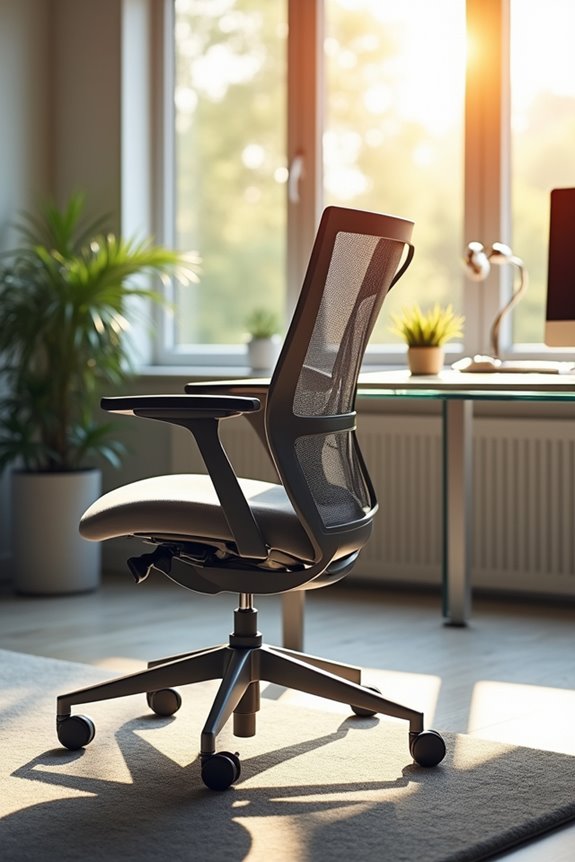
When you sit in a premium ergonomic chair with proper lumbar support and adjustable features, your spine stays aligned naturally—which means less back pain and fewer headaches by the end of your workday. You’ll notice that better posture improves your ability to concentrate and sustains your energy levels, so you accomplish more without afternoon fatigue reducing your output. Over months and years, this investment in your body yields clear returns through reduced sick days, sharper focus, and a healthier back that benefits from the upgrade.
Posture Improvement And Pain Relief
Why does your back hurt after sitting for just a few hours? Poor posture is probably the culprit. Quality ergonomic chairs combat this by supporting your spine’s natural curve, which reduces strain and discomfort. You’ll notice the difference when features work together to keep you aligned.
What premium chairs deliver:
- Adjustable lumbar support that molds to your unique spine shape
- Multi-directional armrests that prevent shoulder tension
- Synchronized tilt mechanisms that encourage proper alignment
- High-density foam that maintains support throughout your workday
- Height and angle adjustability for personalized comfort
Better posture means less back pain, fewer headaches, and improved focus. You’re investing in relief from musculoskeletal issues that drain your energy and productivity. When your body feels supported, you work better and feel better—making that higher price tag worthwhile for your long-term wellness.
Long-Term Productivity And Wellness Gains
Think of your office chair as an investment in your future self—one that pays dividends through better health and sharper work performance. Premium chairs with ergonomic features reduce pain and strain, letting you focus on what matters. You’ll concentrate better during long shifts when your back isn’t aching.
Here’s the payoff: fewer sick days mean you’re present and productive. Better posture supports mental clarity, helping you tackle tasks efficiently. Over time, you’ll notice improved mood and energy—that’s the wellness gain working.
Extended warranties on quality chairs protect your investment for 5–15 years. You’re not just buying comfort; you’re building long-term productivity and preventing costly health issues down the road. Your future self will benefit from this choice.
Productivity ROI: How Expensive Chairs Save Money

Comfort in your chair directly affects how much work you actually get done. When you’re sitting on a quality chair with adjustable lumbar support, you’re not constantly shifting around trying to find a comfortable position. That means you stay focused longer and complete tasks faster.
A quality chair with proper lumbar support eliminates distracting discomfort, keeping your focus on work instead of your back.
Here’s where your investment pays off:
- Fewer sick days: Better posture reduces pain and strain
- Extended warranties: Many premium chairs last 5–15 years, cutting replacement costs
- Premium materials: Durable foam and breathable fabrics maintain support longer
- Higher focus: Reduced discomfort keeps your mind on work, not your back
- Lower healthcare expenses: Prevention beats treatment every time
Spending more upfront on durability means you’re not constantly replacing cheap chairs. Your productivity gains and fewer health issues offset that higher price tag quickly.
The Warranty Difference: What Long-Term Protection Costs
when you’re comparing office chair prices, that premium brand with the 12-year warranty isn’t just asking you to pay more upfront—it’s offering you protection that saves money over time.
Think of it this way. You’re investing in extended coverage that protects gas lifts, mechanisms, and frames against wear and failure. Instead of replacing your chair every few years, you’ve got durability built in. That longer warranty signals real confidence—manufacturers back chairs they know will last.
Sure, you’ll follow maintenance guidelines to keep coverage active. But here’s the payoff: reduced replacement expenses and lower long-term costs. Premium warranties turn that expensive initial purchase into genuine savings across years of comfortable, supported work.
Why Do Cheap Chairs Cost More Over Time?
Why does that $150 office chair seem like such a bargain until you’re replacing it two years later?
Cheap chairs reveal their true cost through constant repairs and replacements. Here’s what happens:
- Lower-quality materials break down faster, requiring frequent maintenance
- Thin padding flattens quickly, causing back pain and discomfort
- Short warranties leave you paying out-of-pocket for defects
- Worn components like foam and mechanisms fail sooner
- Lost productivity from discomfort adds hidden expenses
When you factor in replacement cycles, healthcare costs from poor posture, and maintenance fees, that “affordable” chair becomes expensive. A quality chair’s warranty protects your investment longer. You’re choosing between paying more upfront or paying repeatedly for replacements. The math favors investing in durability from the start.
Eco-Friendly Materials: The Sustainability Price Premium
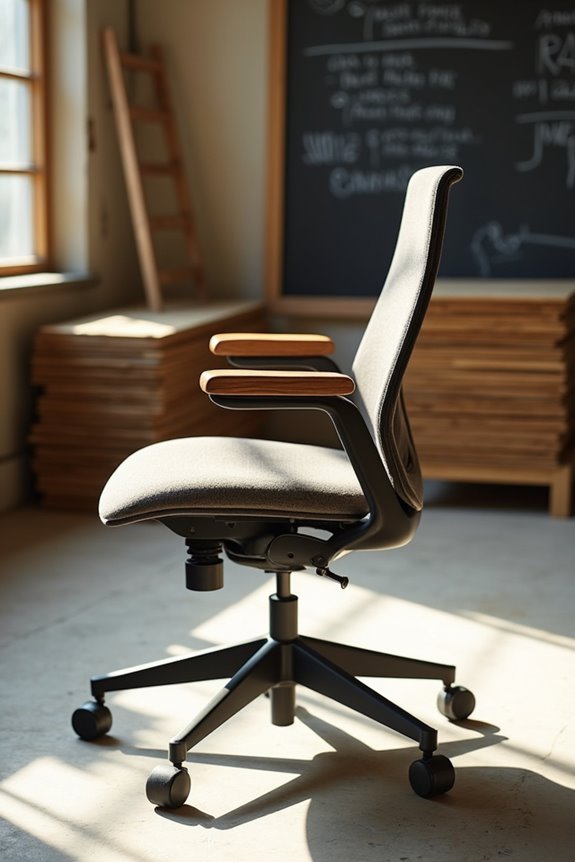
Ever notice how sustainable office chairs cost considerably more at checkout? You’re paying for eco-friendly materials sourced responsibly, which demands advanced supply chains and rigorous eco-certified standards. These materials—recycled metals, biodegradable foam, and recyclable upholstery—require state-of-the-art material science that manufacturers invest heavily in developing.
What you’re really buying is accountability. The sustainability price premium reflects ethical labor practices, responsible manufacturing processes, and traceability that guarantee your chair doesn’t harm the planet. Yes, the upfront cost is significant. But here’s the practical advantage: these durable, high-quality components mean you’re replacing your chair far less often than with cheaper alternatives.
You’re supporting a market that values longevity over quick fixes, knowing your investment backs both your comfort and environmental responsibility.
Synchro-Tilt Mechanisms and Precision Parts: What’s Inside
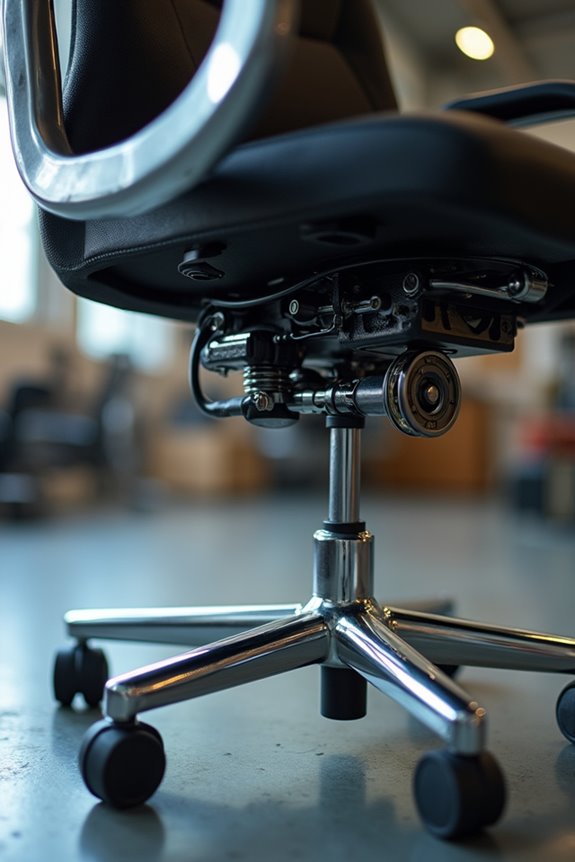
Have you ever sat in a chair that tilts backward and felt like your whole posture shifts awkwardly? Premium office chairs solve this with synchro-tilt mechanisms that keep you comfortable and supported.
Here’s what makes these precision parts so valuable:
- Calibrated torsion springs coordinate backrest and seat movement together
- Metal linkages and pivot points maintain smooth, synchronized tilting
- Reinforced steel or aluminum frames handle repeated stress and weight
- Quality assembly and testing prevent creaking and misalignment over time
- Long-term durability means your chair stays reliable for years
These mechanisms aren’t simple. They require careful engineering, rigorous cycle testing, and premium materials working together. When you invest in synchro-tilt technology, you’re paying for durability and precision parts that protect your posture while distributing loads evenly. That’s worth the cost.
Market Demand and Supply Chain Pressures Driving Prices Up
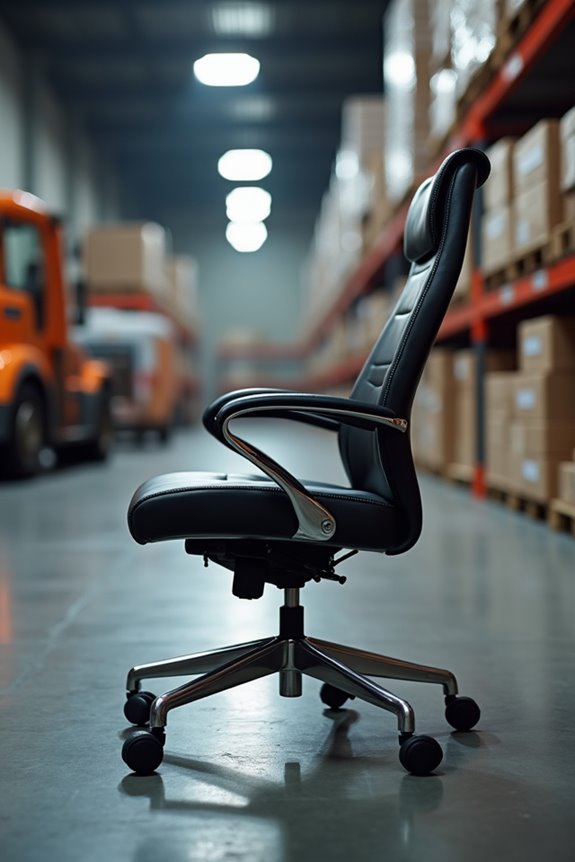
The price you’re paying for that office chair isn’t just about what’s inside it—it’s also about what’s happening around the world. Right now, you’re witnessing a perfect storm of market forces. Strong ergonomic demand means manufacturers can’t keep up, so they charge more. Meanwhile, supply chain disruptions make materials like leather and foam harder to find and costlier to ship. Inflation keeps climbing, raising manufacturing expenses that get passed directly to you at checkout. Currency shifts add another layer of expense. Here’s the thing: you’re not alone in wanting quality seating. That widespread demand for durable chairs with warranties means premium pricing sticks around. Understanding these pressures helps you see why your investment matters.
How to Calculate True Cost-Per-Year on Your Chair Investment

Stop thinking about that office chair as a single purchase price, and you’ll see why expensive chairs actually make financial sense.
Stop viewing office chairs as a single purchase—view them as a cost-per-year investment instead.
Calculate your cost per year by dividing the total price by its expected lifespan. A $1,200 chair lasting 10 years costs $120 yearly. Compare that to a $300 chair needing replacement every 2 years—you’re spending $150 annually.
Here’s what impacts your real costs:
- Durability materials (aircraft-grade frames, high-density foam) extend lifespan significantly
- Warranty length (5–12 years) signals manufacturer confidence and reduces surprise expenses
- Adjustability features keep chairs functional longer, delaying replacements
- Health benefits mean fewer sick days and reduced back pain expenses
- Upholstery quality resists wear, maintaining chair integrity through years
You’re not overspending on that premium chair—you’re actually investing smarter.
Is an Expensive Office Chair Right for You? Making the Decision
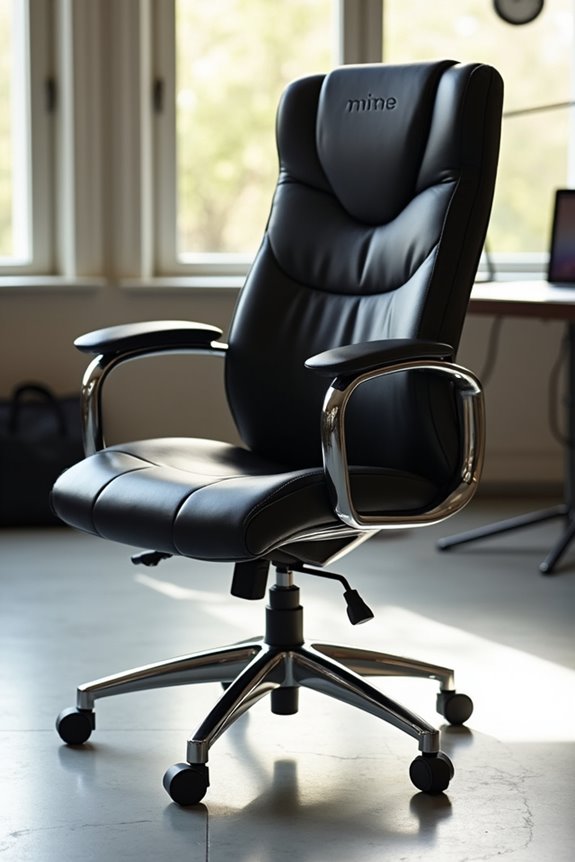
Now that you understand the true cost of chair ownership, you’re probably wondering if spending significant money on a premium chair actually makes sense for *your* situation. Here’s the deal: if you spend eight hours daily sitting, an ergonomic chair isn’t a luxury—it’s an investment in your health. Consider your budget honestly. Can you comfortably afford the upfront price without stress? Next, assess your durability needs. Do you need a chair lasting 10+ years, or will you replace it sooner? Check the warranty length too. A solid 5-15 year warranty means fewer replacement costs down the road. Ask yourself: Does your body thank you for good support, or are you pain-free already? Match the chair’s features to your actual needs, not marketing hype.