Fireplaces release fine particles and toxic chemicals that can damage your lungs, heart, and brain within hours. You’re exposed to PM2.5, carbon monoxide, and creosote—all triggering respiratory issues, irregular heartbeats, and flu-like symptoms. Kids, older adults, and folks with asthma or heart disease face extra risk. You can reduce danger through better ventilation, high-grade filters, and proper chimney maintenance. Understanding each risk helps you protect your home’s air quality.
How Wood Smoke’s Fine Particles Damage Your Lungs and Heart
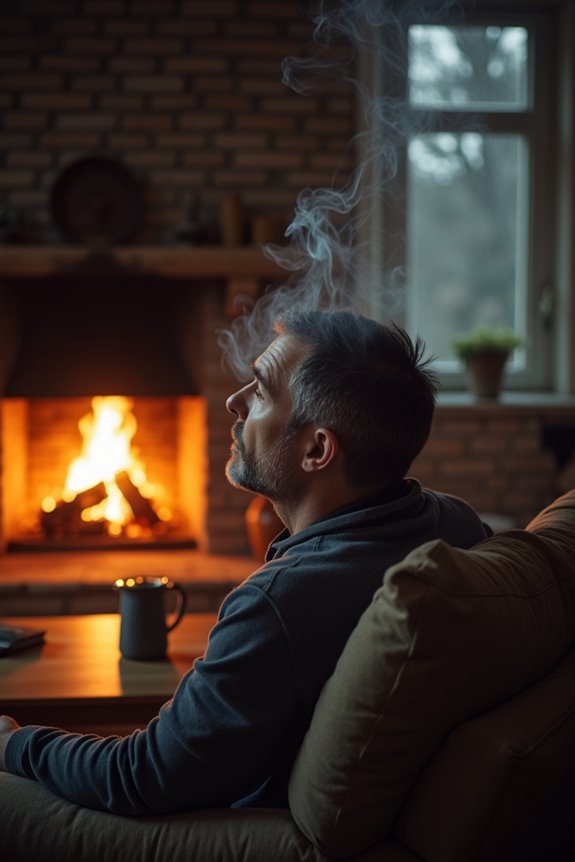
Ever wonder what happens when you breathe in wood smoke from your fireplace? When you’re gathered around that fire, you’re also inhaling PM2.5—tiny particles small enough to slip deep into your lungs and bloodstream.
Here’s what’s really happening: These particles trigger coughing, bronchitis, and asthma flare-ups. But the damage doesn’t stop at your lungs. Wood smoke creates cardiovascular risks by causing inflammation and dangerous clotting in your blood vessels. This increases your chances of heart attacks, strokes, and irregular heartbeats.
The problem gets worse because toxic pollutants like benzene and formaldehyde travel alongside those particles, amplifying harm to both your respiratory and heart systems. Vulnerable groups—kids, elderly folks, and people with existing heart conditions—face the greatest danger from prolonged exposure.
Wood Smoke and Asthma: Why Attacks Get Worse
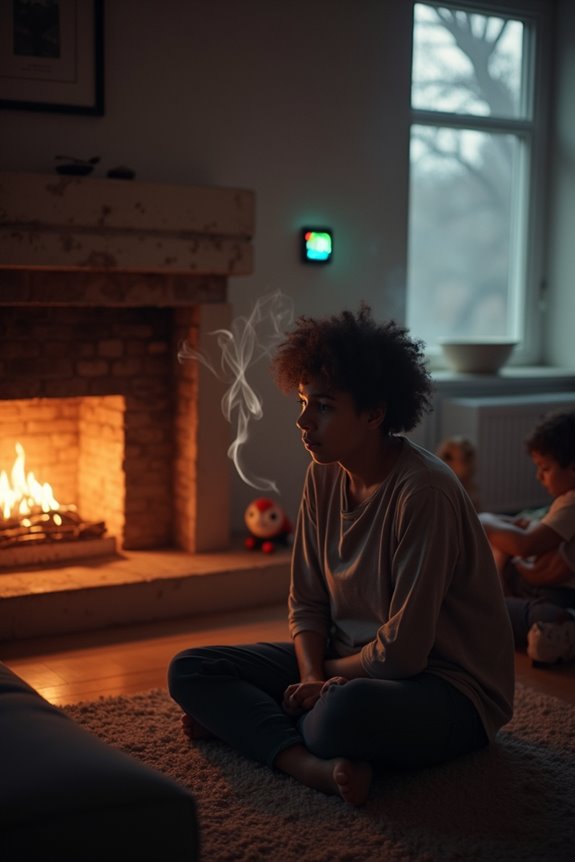
Why does your asthma suddenly flare up when you’re sitting by the fireplace? Wood smoke contains tiny particles called PM2.5 that slip directly into your lungs, triggering inflammation in your airways. When you breathe in this smoke, harmful chemicals like benzene and formaldehyde irritate your air passages, making them swell and tighten.
Your body responds by producing extra mucus, which narrows your airways even more. You’ll find yourself reaching for your rescue inhaler more often, missing school or work, and struggling through simple activities. During winter months, when fireplaces run constantly, asthma attacks become more frequent in entire communities.
You can reduce these flare-ups by taking practical steps. Use seasoned, dry wood in EPA-certified stoves, crack a window for ventilation, and consider keeping your bedroom fireplace-free for better sleep and breathing.
Inflammation and Clotting: Heart Attack and Stroke Risk
How’s your heart holding up when you’re sitting by the fireplace?
When you breathe in wood smoke, you’re inhaling PM2.5—tiny particles that slip right into your bloodstream. These particles trigger inflammation in your arteries, making your heart work harder. Your body’s clotting system kicks into overdrive, increasing your stroke and heart attack risk.
Here’s what happens: wood smoke contains benzene and formaldehyde, which damage your blood vessels and stiffen your arteries. If you’ve got existing heart conditions, short-term exposure during smoky days can be especially risky, potentially causing chest pain or irregular heartbeats.
The cardiovascular stakes get higher with repeated exposure. Long-term wood smoke exposure raises your chances of serious cardiac events substantially. Your heart deserves better than that fireplace cost. Consider switching to safer heating alternatives that won’t compromise your cardiovascular health.
Carbon Monoxide From Wood Smoke: Poisoning Symptoms and Brain Damage
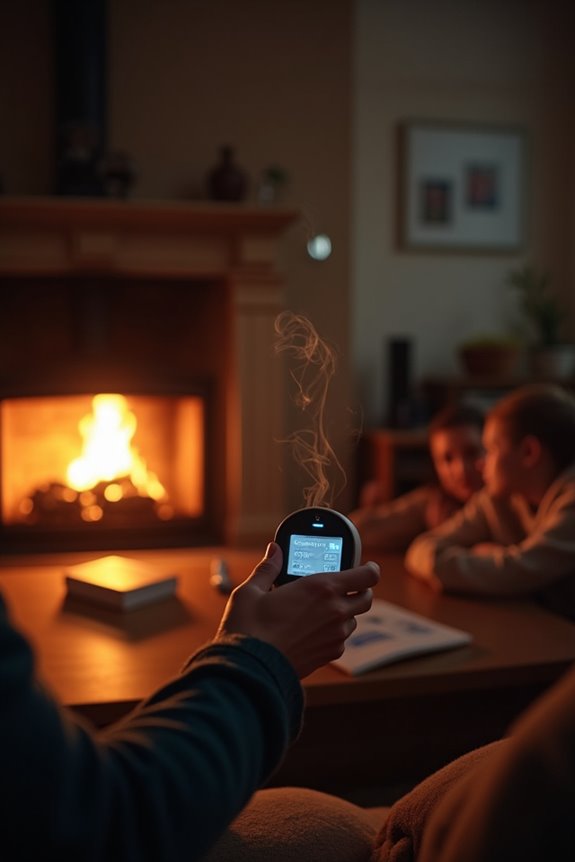
While you’re enjoying the warmth from your fireplace, there’s an invisible threat you can’t see or smell—carbon monoxide (CO). When wood burns, it produces this dangerous gas that sneaks into your home, especially if your chimney isn’t working properly.
| Symptom | Mild | Severe |
|---|---|---|
| Headaches | Yes | Worsens quickly |
| Dizziness | Slight | Loss of balance |
| Confusion | Mild fogginess | Unconsciousness |
Your exposure to carbon monoxide from wood smoke can cause serious problems. You might feel like you’re getting the flu—nausea, lethargy, and confusion set in. Worst case? Brain damage or death at high exposure levels.
Protect yourself: Get your chimney inspected annually. Make sure it’s clean and working properly. If you’re pregnant, have heart disease, or care for children, you’re at higher risk. Don’t ignore these warning signs.
Creosote and Chimney Soot: Byproduct Dangers to Your Organs
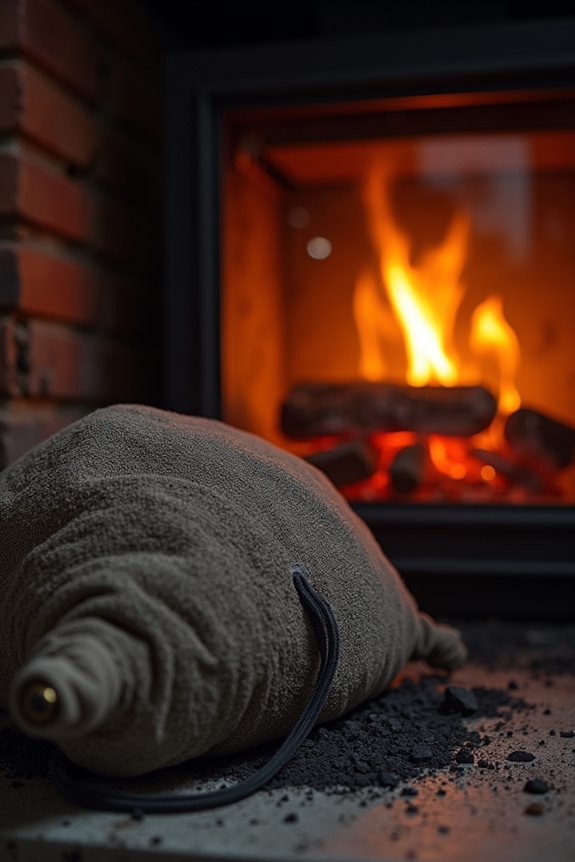
A sticky, tar-like gunk called creosote builds up inside your chimney every time you burn wood, and it’s silently working against your health. When you inhale creosote particles and chimney soot, you’re exposing your lungs, kidneys, and liver to serious health risks. You might experience respiratory irritation, eye irritation, and skin irritation from these byproducts. Prolonged exposure can damage your organs over time.
You can prevent this by taking action. Schedule professional chimney inspections annually and clean regularly. Burn only seasoned wood—never unseasoned or dirty fuel, which creates more creosote. These steps protect your family’s health and keep your fireplace safe. Regular maintenance matters for your wellbeing.
Who’s Most Vulnerable to Wood Smoke: Children, Older Adults, and At-Risk Groups
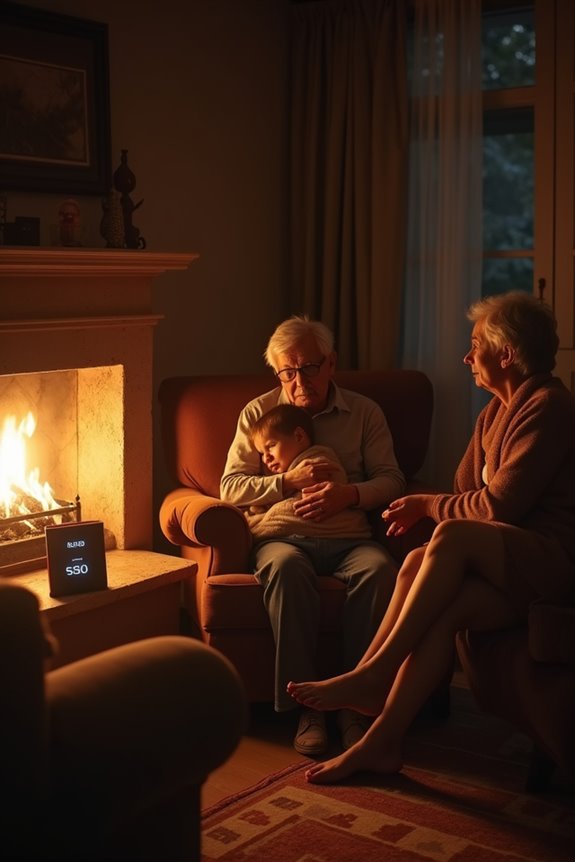
Not everyone’s body handles wood smoke the same way. Your age, health conditions, and life circumstances significantly affect your vulnerability to fireplace pollution.
Children and older adults face particular risks due to smaller airways and developing or aging systems. If you have asthma, COPD, heart disease, obesity, or diabetes, wood smoke impacts you more severely. Pregnant women should take extra precautions, as exposure may affect respiratory health during pregnancy.
At-risk groups include outdoor workers and people with limited medical access. Lower socioeconomic status often means fewer resources to avoid smoke exposure or seek treatment.
Understanding where you fit helps you protect yourself. Monitor your symptoms closely during fireplace season. Consider reducing fireplace use if you’re in these vulnerable categories. Your health matters—take wood smoke seriously.
Reduce Smoke Indoors: Ventilation, Air Filters, and Safer Burning
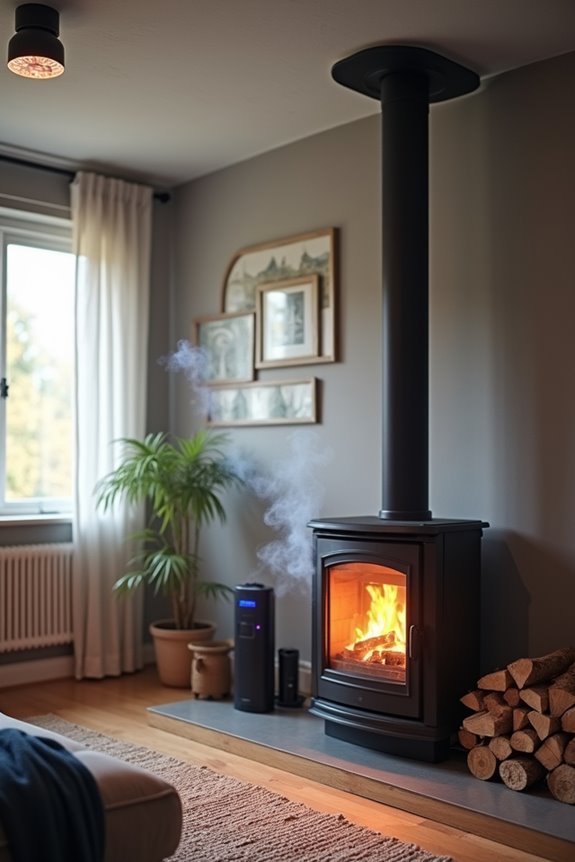
The good news? You can create a safer fireplace experience with smart choices. Here’s what works:
Improve ventilation. Open a window near your fireplace so smoke escapes instead of circulating through your home. Fresh air makes a measurable difference.
Upgrade air filters. Install high-quality HVAC filters and use portable air cleaners to catch remaining particles. This combination reduces indoor smoke exposure significantly.
Burn smarter. Never use unvented indoor wood-burning devices. Instead, confirm your fireplace has proper venting, and schedule annual chimney inspections to prevent creosote buildup.
Add barriers. Install tight-fitting glass doors behind your traditional fireplace. Up to 70% of smoke can re-enter your home without them.
These practical steps help you enjoy fires safely.