Fireplace cleaning logs do work—but only as a helper, not a complete fix. They release additives that soften loose, flaky creosote on hot embers, making it easier to remove.
However, they can’t tackle hardened tar or glazed buildup that actually threatens your home. You’ll still need a professional sweep yearly to catch what logs miss and inspect for real problems. Think of them as your backup plan between visits, not your main defense against creosote danger.
How Cleaning Logs Work (And What They Actually Do)
Ever wondered if those fireplace cleaning logs actually do anything, or if they’re just a marketing gimmick?
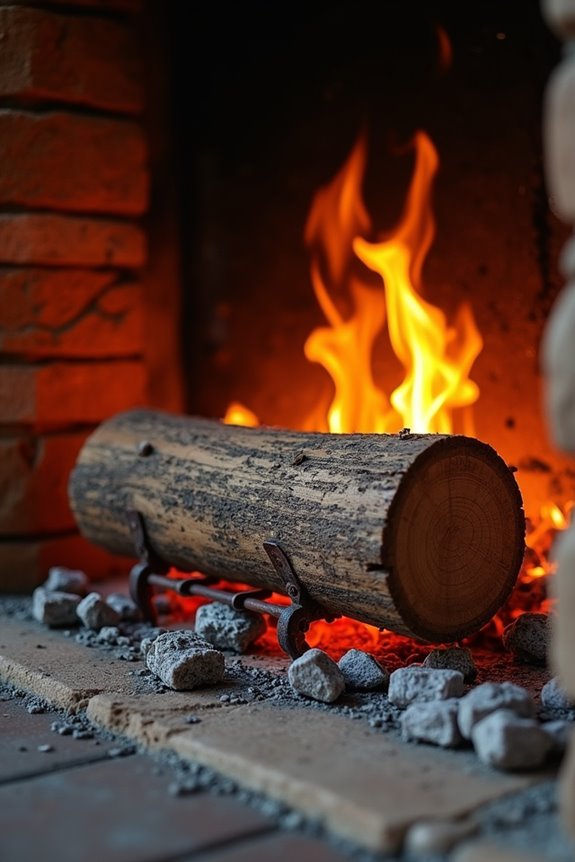
Here’s the honest truth: cleaning logs work, but not quite like you might think. When you burn them on hot embers after a wood fire, they release special additives that coat your chimney walls. These additives soften creosote buildup so it loosens more easily. However—and this matters—they don’t physically scrub away hardened creosote deposits themselves.
Instead, think of cleaning logs as your helper, not your solution. They’re best used in wood-burning fireplaces to create dry, flaky debris that drops into your firebox. Many homeowners use them strategically between professional visits. Just remember: they supplement, never replace, your annual chimney cleaning by a professional chimney sweep for true hearth safety.
Which Creosote Stages Can Logs Really Handle?
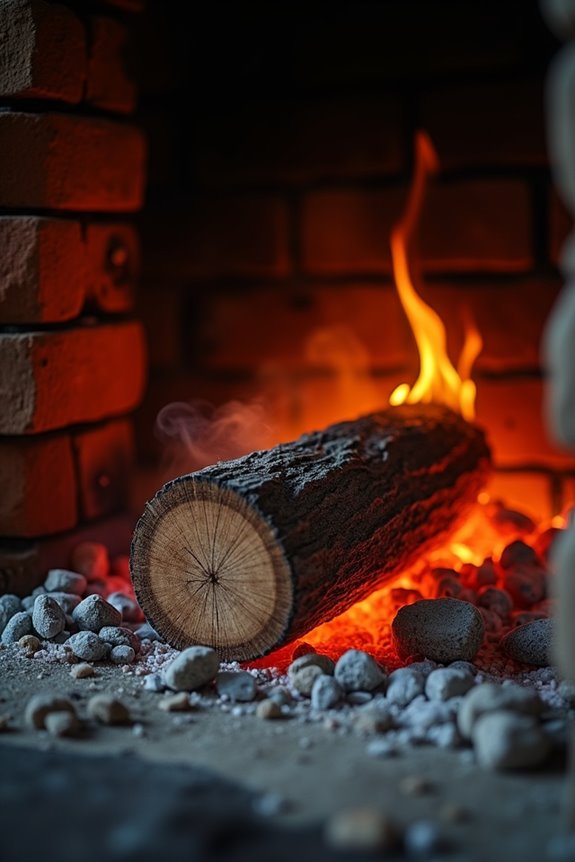
Now here’s where things get real: cleaning logs work best on stage one creosote, which is the flaky, loose stuff that looks almost like soot. You’re looking at a helpful tool for maintenance, but not a solution for serious buildup.
Cleaning logs handle stage one creosote best—flaky, loose buildup. They’re maintenance tools, not serious solutions.
Here’s what you’re actually dealing with:
- Stage one (flaky): Cleaning logs release chemicals that loosen this surface layer, making sweeping more effective
- Stage two (tar-containing): These logs can’t touch it—you’ll need professional help
- Stage three (glazed): This hardened coating requires a CSIA-certified professional or chimney liner replacement
- Heavy buildup: No cleaning log handles this safely alone
Annual inspection with a professional keeps you informed about what you’re actually facing. Use logs between professional cleanings as a supplementary measure, not a replacement.
Why Professional Sweeps Remain Essential
While cleaning logs can help you maintain your chimney between visits, they simply can’t do what a trained professional can do. You need certified sweeps to catch what logs miss—hardened deposits, liner deterioration, and hidden damage that put your home at risk.
| What You Need | Cleaning Logs | Professional Sweeps |
|---|---|---|
| Detect nests and blockages | ✗ | ✓ |
| Remove hardened deposits | ✗ | ✓ |
| Perform annual inspection | ✗ | ✓ |
NFPA guidelines recommend annual chimney inspections using tools like Chim-Scan that reveal creosote buildup patterns and system issues. A certified chimney sweep evaluates your entire venting system thoroughly, not just the visible surface. When heavy creosote accumulation exists, logs won’t solve the problem. Professional sweeps protect your family and home, making them the responsible choice alongside your maintenance routine.
Using Cleaning Logs Safely Between Professional Visits
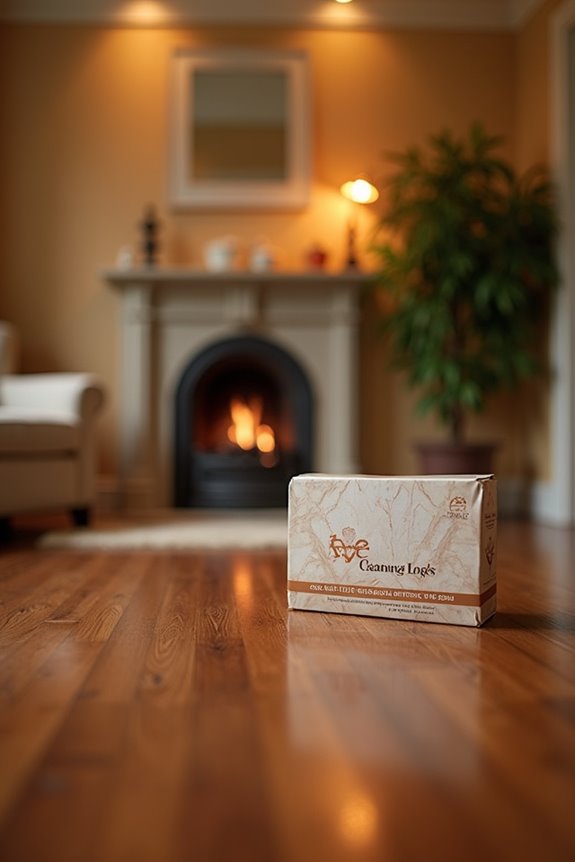
How can you get the most out of cleaning logs without putting your chimney at risk? You’ll want to follow smart practices that keep your wood-burning fireplace in top shape.
- Burn cleaning logs on hot embers after a prior wood fire for best results
- Use them only in wood-burning fireplaces, never in gas or propane systems
- Always sweep loose debris from your firebox before your next fire
- Schedule annual chimney inspections with professionals
Think of cleaning logs as your helpful backup plan, not your main defense. They loosen creosote buildup effectively, but they’re a supplementary measure. Professional chimney cleaning remains necessary for thorough creosote removal and safety. By pairing regular cleaning logs with annual professional visits, you’re protecting your home while staying part of the responsible fireplace owner community.
Cleaning Logs as a Supplement: When Professional Help Is Required
When should you stop relying on cleaning logs and call a professional instead? You’ll want to schedule a CSIA-certified professional chimney sweep if you notice heavy creosote buildup, damage, blockages, or moisture issues. Cleaning logs work best for loose creosote between your annual inspection visits, but they can’t tackle glaze-stage creosote on their own. Think of them as between-visits aid, not a replacement for professional care.
Your wood-burning fireplace needs yearly professional attention to stay safe. If you’re unsure about creosote levels or suspect problems, don’t wait. Professional chimney sweeps have tools and expertise you don’t have at home. Schedule that annual inspection—it’s your best protection for chimney safety and peace of mind.