
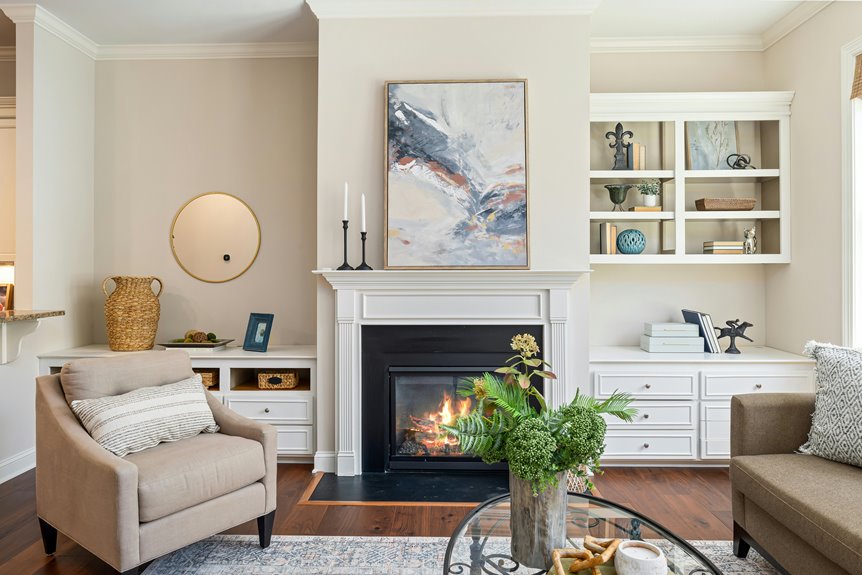
Yes, fireplaces can boost your home’s value by $1,000–$5,000, though it really depends on where you live. In cold climates, buyers actively want that cozy warmth, so you’ll see stronger returns. In warmer regions? Not so much—they’d rather have a pool. Gas fireplaces attract the most buyer interest since they’re low-maintenance and easy to use. The catch is installation costs run $5,000–$15,000, so you’ll want to match your climate and home style to maximize your payoff.
The Real Value Fireplaces Add to Homes
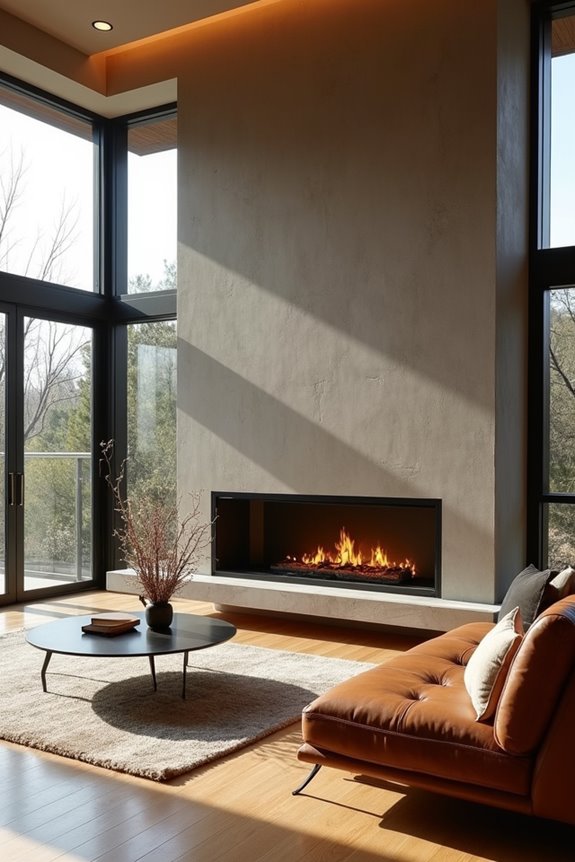
When you’re thinking about selling your home or just want to know what you’ve got, here’s the straight story: fireplaces can boost your home’s value by somewhere between $1,000 and $5,000, though some research indicates they’ve pushed that number up to about 13% in certain markets. The real value depends on what matters to your neighbors and buyers in your area.
Gas fireplaces tend to win over buyers because they’re easy to use and require minimal upkeep. Your installation costs matter too—expensive renovations might not return full value. The type of fireplace you choose affects appeal, and placement in living rooms generates more buyer interest than other spots. Local market preferences vary significantly, so what adds serious value in one region might barely register in another. Well-maintained units impress; neglected ones turn people away fast.
Why Buyers Care About Fireplaces
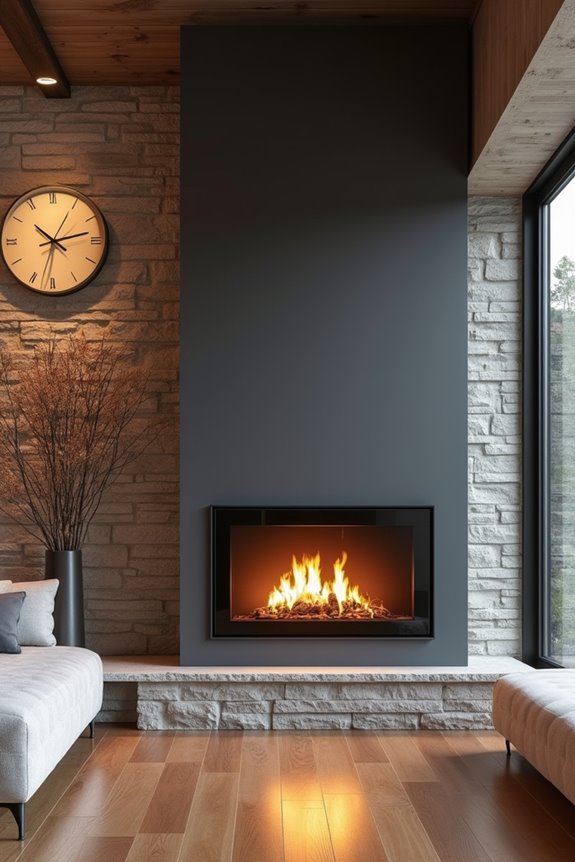
Why do so many buyers get excited about fireplaces? They view them as a focal point that creates a cozy and inviting atmosphere. Buyers appreciate how fireplaces enhance ambiance and provide that warm, welcoming feeling.
| Fireplace Type | Why Buyers Love It |
|---|---|
| Gas | Ease of use and low maintenance |
| Electric | Affordable and flexible installation |
| Gas | Direct-vent options available |
| Electric | Works year-round in any room |
| Both | Creates emotional connection to home |
Your placement in living areas matters most to buyers—they want that focal point where families gather. Climate and region impact buyer appeal significantly; colder areas view fireplaces as essential features. Gas vs electric choices depend on your lifestyle. Understanding what resonates with your local market helps you appreciate your fireplace’s value.
Does Location and Climate Affect Fireplace Value?
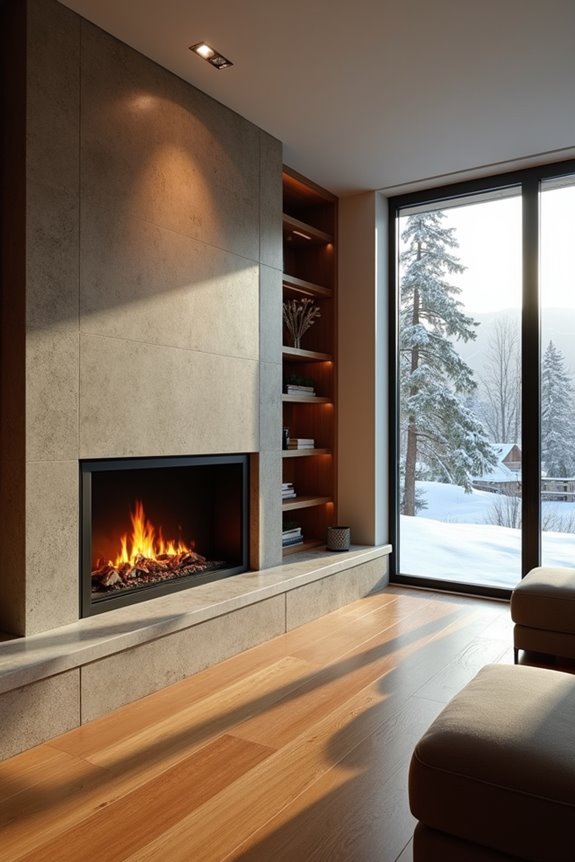
If you’re buying or selling in a frigid climate—think Minnesota winters or Colorado mountain towns—your fireplace becomes a genuine selling point because buyers actually want that warmth and comfortable factor. Meanwhile, in warmer regions like Arizona or Florida, fireplaces drop down your buyers’ priority list since they’re rarely needed and might seem like wasted space. Your location’s market demand really does change the outcome: a fireplace in a luxury lodge-style home in Montana could boost your sale price considerably, while that same feature in a modern starter home in Texas might barely move the needle.
Colder Climates Value Fireplaces
How much your fireplace boosts your home’s value depends largely on where you live. If you’re in a colder climate, you’re sitting on a real advantage. Your fireplace isn’t just cozy—it’s a practical feature buyers actively want.
Here’s why colder regions see stronger resale impact:
- Winter necessity – Fireplaces provide both warmth and ambiance during long, cold seasons
- Buyer appeal – Homebuyers in snow-heavy areas prioritize fireplaces as essential features
- Higher value uplift – Expect your fireplace to add $3,000 to $5,000 in colder markets
- Marketability boost – Properties with fireplaces sell faster in lodge-style, winter-heavy regions
You’re not just adding a feature; you’re meeting what buyers in your area genuinely need and desire. That’s real value.
Warmer Regions Prefer Alternatives
The picture changes dramatically once you cross into warmer regions. You’ll find that fireplaces don’t carry the same weight in buyer preferences. Instead of viewing them as essential, folks in these markets see them as bonus features at best.
Here’s what shapes home value in warmer climates:
| Feature | Climate Impact | Buyer Preference | Resale Value |
|---|---|---|---|
| Fireplace | Low priority | Optional luxury | Limited boost |
| Outdoor space | High priority | Essential | Strong boost |
| Air conditioning | Critical need | Must-have | Significant value |
| Pool/patio | Very desirable | Highly wanted | Major boost |
The climate impact is real. When you’re not fighting winter cold, alternatives like screened porches, pools, and expanded patios matter far more. Your warmer regions’ buyers prioritize features that enhance outdoor living instead. Focus your improvements there, and you’ll see genuine resale value increases that fireplaces simply can’t deliver in these markets.
Regional Market Demand Variations
Where you live matters—a lot—when it comes to whether a fireplace actually boosts your home’s value.
Your regional market demand shapes everything. Consider these factors:
- Climate influence – Cold regions value fireplaces for warmth; warmer areas skip them entirely
- Buyers preference – Luxury markets expect fireplaces as design statements, while others view them as optional extras
- Market conditions – New construction trends show only 41% of homes include fireplaces, affecting local expectations
- Resale value – Impact ranges from negligible to 13% depending on what your community wants
The value impact isn’t guaranteed anywhere. Your fireplace’s worth depends entirely on local preferences and whether buyers in your area actually want one. Check comparable homes nearby to understand what drives decisions in your specific market. That’s your real answer.
Gas vs. Wood vs. Electric: Which Type Adds the Most Value?
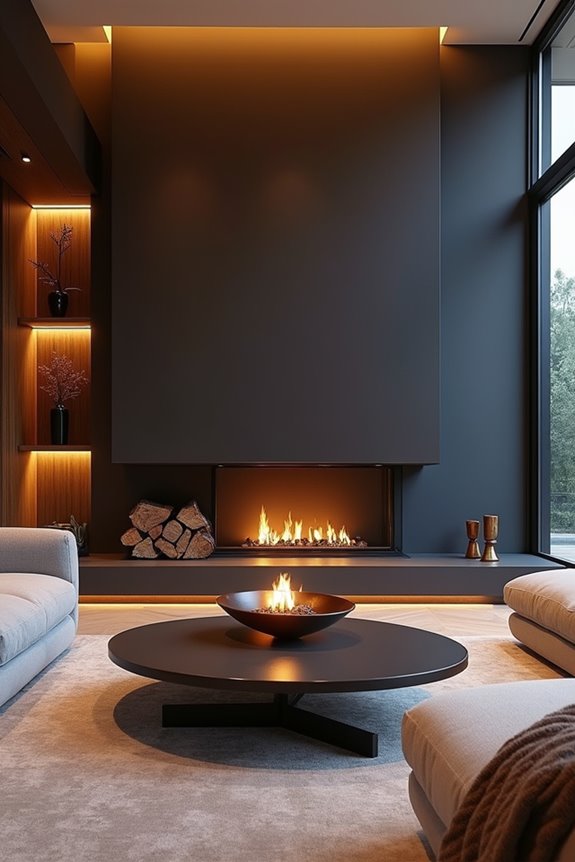
When you’re choosing which fireplace type works best for your home, you’ll want to weigh how each option affects your home’s value and appeal. Gas fireplaces tend to win out for broad buyer interest because they’re easy to use and don’t require much upkeep, while wood-burning fireplaces bring that cozy, traditional charm that performs well in luxury or older homes. Electric fireplaces offer the most flexibility and affordability upfront, but the type you pick ultimately depends on your climate, your home’s style, and what your local buyers actually want.
Gas Fireplaces: Low-Maintenance Appeal
Why do so many homebuyers gravitate toward gas fireplaces? You’re looking at the sweet spot between convenience and value. Here’s what makes them so appealing:
- Ease of use – You flip a switch or push a button instead of managing wood and ash
- Low-maintenance appeal – Direct-vent options mean fewer indoor smoke concerns and minimal upkeep
- Reasonable installation cost – Expect around $3,500 total for the unit and installation, plus modest gas utility costs
- Strong market value – About 55% of homebuyers find gas fireplaces desirable, compared to 48% for wood-burning options
You’re making a smart choice when you select gas. You’ll attract a wider buyer pool down the road because most people appreciate not dealing with wood-burning hassles. That reliability translates directly into better resale appeal.
Electric Fireplaces: Affordable Flexibility
How much flexibility do you really need in a fireplace? Electric fireplaces deliver affordable flexibility that fits almost any space. You’ll appreciate their straightforward installation—no venting required, which means you can add one to your condo or bedroom without major renovations.
These units are energy-efficient and ridiculously easy to maintain. Want flame effects without heat? You’ve got it. Need warmth on chilly evenings? Done.
While electric fireplaces won’t boost your resale value quite like gas models, they’re still smart. They create a striking focal point that improves buyer perception of your listing. You’re getting practical lifestyle benefits at a fraction of the cost. Think of them as the practical friend in your home—reliable, low-fuss, and genuinely useful when you need ambiance or warmth.
Wood-Burning: Traditional Value Trade-offs
There’s real appeal in a wood-burning fireplace—that crackling sound, the smell of smoke, the glow of real flames. But here’s what you need to know before installing one:
- Installation costs run $5,000–$15,000 when you include the fireplace ($2,000–$5,000) and chimney work ($3,000–$10,000)
- Maintenance demands are serious—regular cleaning, inspections, and repairs eat into your budget
- Resale appeal depends on your home type—traditional and luxury homes see better value, while younger buyers often skip over them
- Universal value isn’t guaranteed—safety concerns and upkeep requirements deter many modern buyers
The bottom line? Wood-burning fireplaces deliver emotional appeal and ambiance rather than solid financial returns. They’re ideal if you love the experience and plan staying put. For pure resale value, gas fireplaces typically win.
Why Fireplace Condition Kills (or Makes) Resale Value
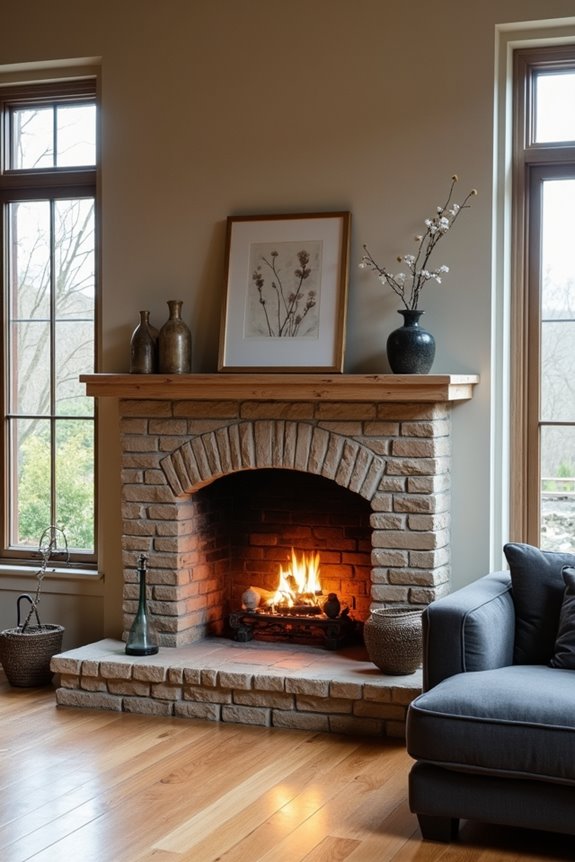
When you’re selling your home, potential buyers will notice your fireplace—for better or worse. A well-maintained fireplace inspires confidence, while a neglected one raises concerns. Here’s what matters: regular chimney inspections catch problems early, preventing costly repairs that deter buyers. Gas fireplaces require minimal upkeep, making them attractive to most. Wood-burning versions need consistent maintenance—missing that step reduces your resale value.
Location counts too. Your living room fireplace gets serious attention; a basement version? Less so. Condition trumps everything. Cracked brick, missing grout, or soot buildup signals poor upkeep to savvy buyers. In colder regional markets, pristine fireplaces command higher perceived value. In warmer areas, they’re nice-to-haves.
The bottom line: invest in maintenance now. You’ll recover that investment when you sell.
Fireplace Installation Costs by Type
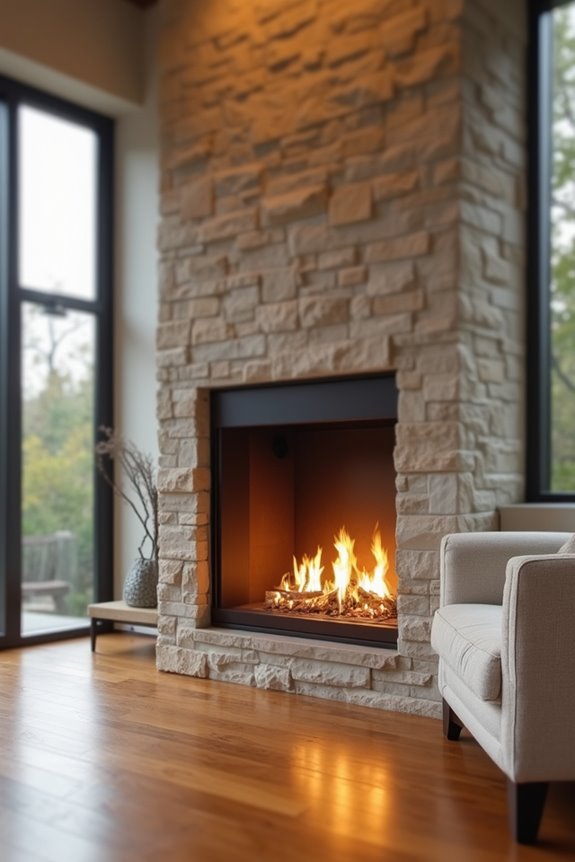
What’s the price tag on adding warmth and ambiance to your home? Fireplace installation costs vary quite a bit depending on which type you choose:
- Electric fireplaces run $200–$3,000, making them the most affordable option
- Gas fireplaces cost $2,300–$10,000, with direct-vent designs being popular
- Wood-burning fireplaces range from $1,900–$3,300, though chimney work adds $3,000–$10,000 more
- Masonry fireplaces built from brick or stone cost $3,500–$5,600
You’ll want permits and professional installation for safety and code compliance—required elements that protect your investment. These installation costs reflect the complexity of different fireplace types and materials involved. Understanding what you’re spending upfront helps you make smart decisions about which option fits your home and budget best.
Permits and Professional Installation
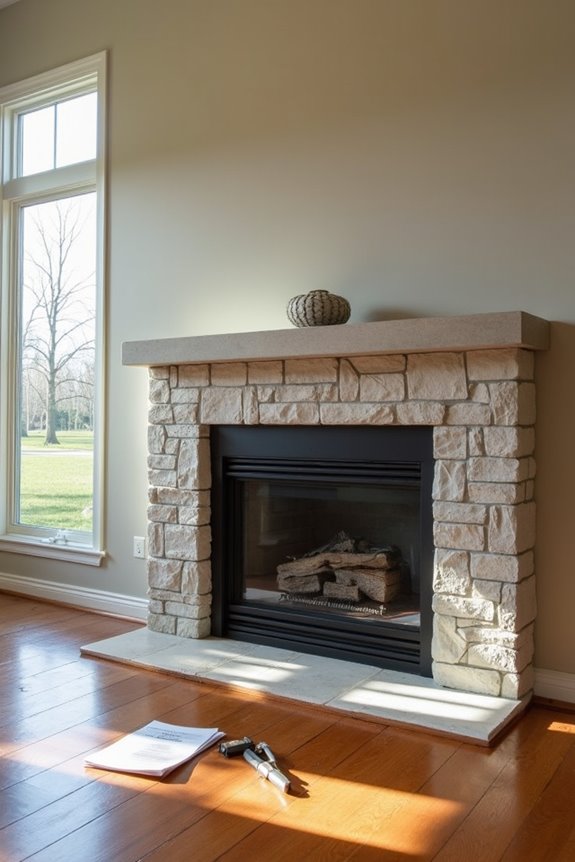
Before you fire up your new fireplace, you’ll need to handle some important paperwork and bring in the right professionals. Most areas require permits for gas or wood-burning installations—skip this step, and you’ll risk voiding your warranty and facing safety issues.
Here’s what you need to do:
Check local requirements. Contact your building authority about permits and venting needs before purchasing anything.
Hire a professional. Except for plug-in electric units, professional installation protects safety, proper venting, and code compliance. This protects your investment and your home.
Get multiple quotes. Ask installers if they handle permits, preventing delays and confusion.
Permits and inspections validate that your fireplace meets building codes. This step makes your fireplace a valuable, safe upgrade that delivers real benefits.
Five Moves That Boost Fireplace Resale Value
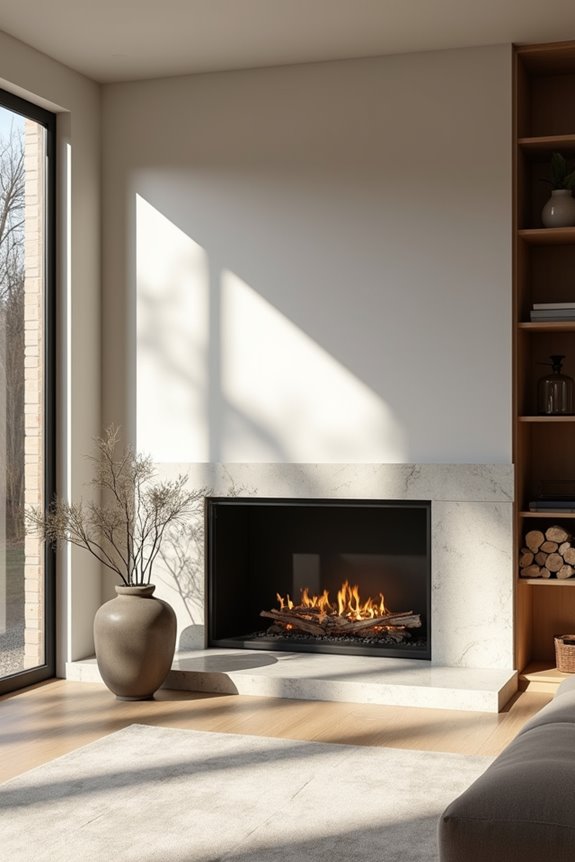
So you’ve got your fireplace installed and inspected—now comes the fun part of making sure it actually pays off when you sell. Your gas fireplace has serious potential to boost marketability, but you’ll want to maximize that value. Here’s what works:
- Keep it clean and functional. A well-maintained fireplace impresses buyers way more than a neglected one.
- Match your home’s style. Your fireplace should feel like it belongs, not like an afterthought.
- Highlight it in listings. Use photos showing your fireplace as a design focal point. Buyers notice ambiance.
- Choose gas over wood. Gas fireplaces appeal to 55% of homebuyers because they’re easy and low-maintenance.
These moves turn your fireplace installation into a genuine resale asset. You’re not just adding a feature—you’re creating buyer appeal that actually sticks around.
Should You Install a Fireplace Before Selling?
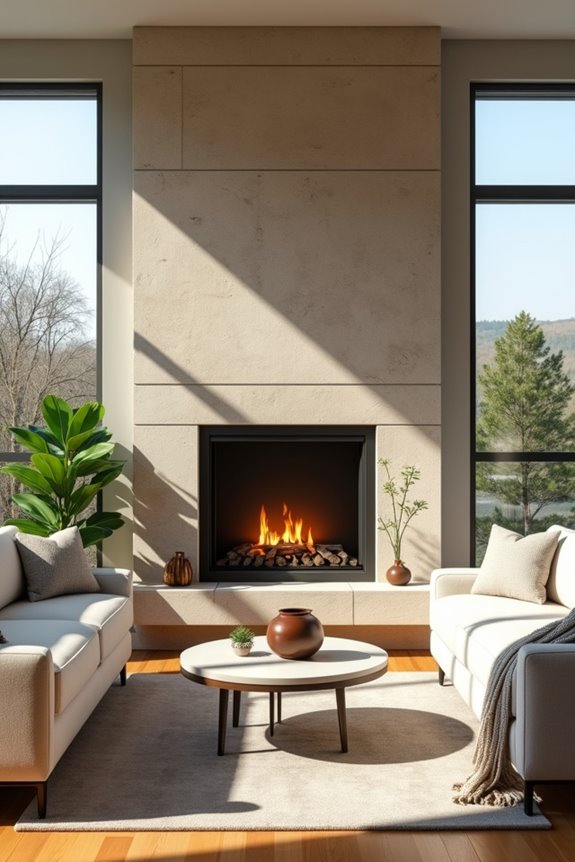
Before you install a fireplace before selling, you’ll want to check your local market—if you’re in a cold climate or luxury area, you might see better returns, but in warmer regions, the investment often doesn’t pay off. Installing a full wood-burning fireplace can cost tens of thousands of dollars, so you’d need that modest $500–$1,000 value bump to justify the expense, which rarely happens. Instead, consider a cost-benefit analysis: if you’ve got the budget and time, a gas insert or electric option costs less and appeals to buyers without the financial risk.
Timing And Market Conditions
Timing And Market Conditions
When you’re thinking about selling your home, you might wonder if adding a fireplace is worth the investment. The truth is, timing and market conditions affect fireplace value significantly.
Consider these factors before you commit:
- Regional climate – Colder areas value fireplaces; warmer regions view them as optional features
- Market conditions – Competitive markets reward features that attract buyers faster
- Installation permits – Professional setup costs money upfront but protects resale value
- Your price point – Lower-priced homes rarely recoup renovation costs
Adding a fireplace months before selling might not deliver the resale value you expect. Instead, focus on what your local market actually wants. In cooler climates, you’ll see stronger returns. In warm areas? You’re likely spending money on something buyers don’t need. Check comparable homes in your neighborhood first—that’s your real answer.
Cost-Benefit Analysis Strategy
Does the money you spend installing a fireplace actually come back when you sell?
Let’s break it down. You’re weighing installation costs—sometimes $3,000 to $5,000—against potential gains. Your fireplace value depends heavily on climate, buyer preferences, and your home’s price range.
| Factor | High ROI | Low ROI |
|---|---|---|
| Climate | Cooler regions | Warm climates |
| Home Price | $300K+ | Under $200K |
| Type | Gas/electric | Wood-burning |
In colder markets where buyers expect fireplaces, your cost-benefit analysis looks stronger. In warmer areas? You’re probably better investing elsewhere. Before installing, honestly assess whether your specific buyers actually want one. That’s the real fireplace value equation—matching your investment to what your market genuinely desires, not what looks nice.
Choosing the Right Fireplace Type for Your Home
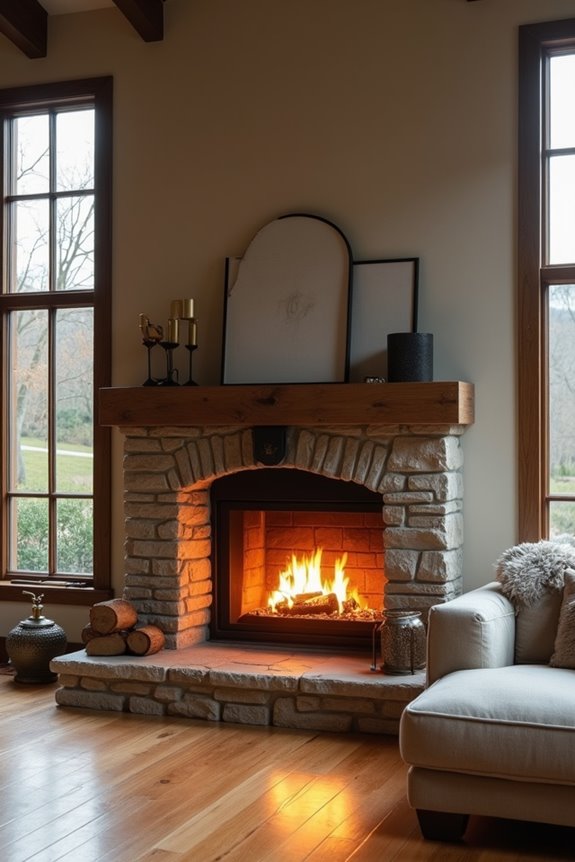
Which fireplace type makes the most sense for your home?
You’ll want to weigh your options carefully. Consider these factors:
- Gas fireplaces offer strong value and broad appeal—they’re easy to use and cost $3,000–$7,500 installed, increasing marketability substantially.
- Electric fireplaces work well if you’re space-constrained or want flexible placement without renovation headaches, though operating costs run higher.
- Wood-burning fireplaces deliver classic charm and emotional appeal, especially in colder climates, but demand serious upkeep and costly chimney installation.
- Placement matters—living rooms and family rooms attract far more buyer attention than bedrooms or basements.
Your choice depends on your home’s style and your target buyer. Gas typically wins for resale value, wood suits traditional or luxury homes, and electric fits modern spaces well. Think about what appeals to your community’s buyers.